Best Lakes in Michigan for Family Vacation: A Complete Guide
Michigan has more freshwater shoreline than any other US state and over 11,000 inland lakes. For a family holiday that produces something genuinely unusual: beaches with dunes, waves and ocean-like horizons, and calm, warm inland lakes fifteen minutes behind them.
Choosing between those two kinds of water is the whole planning decision, and most guides never explain the difference. This guide covers the best lakes in Michigan for a family vacation which suit toddlers and which suit teenagers, when to go, what a week costs, and the water safety information that matters more here than almost anywhere else in the country.
Destination Overview: Great Lakes vs Inland Lakes
Michigan sits in the American Midwest, split into two land masses: the Lower Peninsula, shaped like a mitten, and the wilder, emptier Upper Peninsula. Four of the five Great Lakes touch it.
Understanding the two lake types shapes the entire trip:
|
Great Lakes |
Inland lakes |
|
|
Feel |
Ocean-like: waves, wind, huge horizons |
Calm, enclosed, dock-and-cottage |
|
Water temperature |
Cold, often 60s–low 70s°F even in August |
Warmer, often mid-70s to low 80s°F |
|
Beaches |
Wide sand, dunes, sunsets |
Smaller, grassier, shallow entry |
|
Currents |
Genuine rip and structural currents |
Minimal |
|
Best for |
Older children, scenery, photography |
Toddlers, swimming, boating, relaxed weeks |
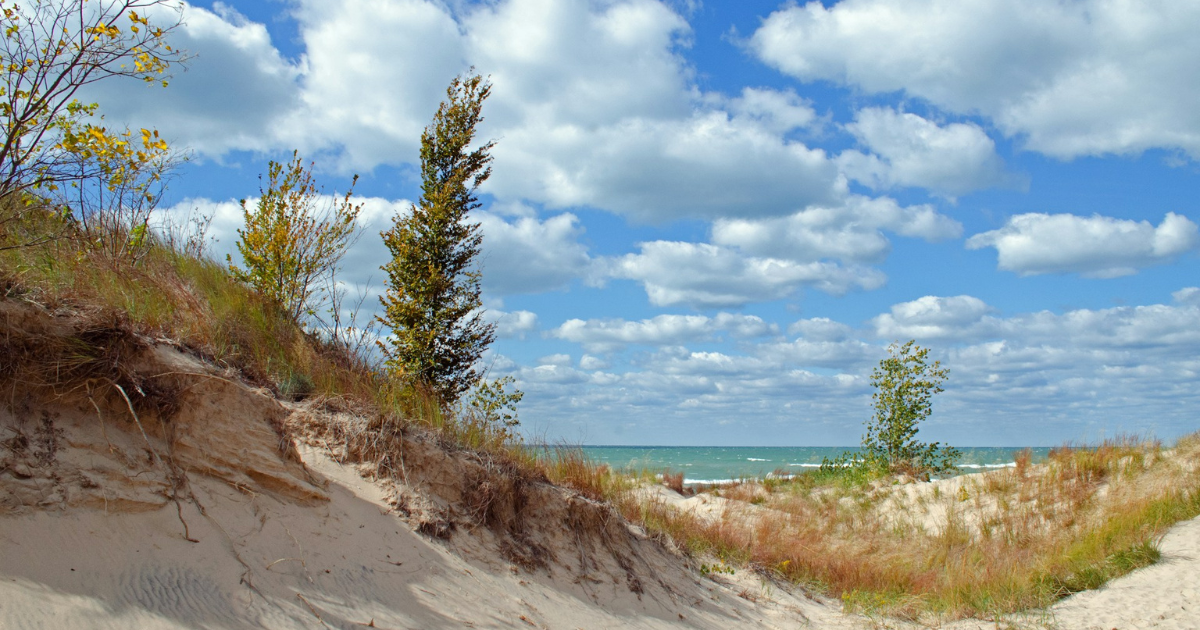
The best family trips combine both. Base near a town with an inland lake for daily swimming and drive twenty minutes to a Great Lakes beach for sunsets and dune climbs.
Best Time to Visit Michigan’s Lakes
Mid-July through August is peak lake season, and it is the only period when the water is reliably warm enough for swimming.
|
Season |
Weather |
Water |
Crowds & prices |
|
Late May–June |
65–78°F, variable |
Cold, especially Great Lakes |
Quiet, good value |
|
July–August |
75–85°F |
Warmest of the year |
Peak crowds and rates |
|
September |
65–75°F, clear |
Still swimmable early on |
Quieter, cheaper, excellent |
|
October |
50–60°F, autumn colour |
Too cold to swim |
Beautiful, cheap |
|
November–April |
Cold to freezing |
Frozen or near it |
Ski and snow season |
Two things worth knowing:
- Great Lakes water lags the air by weeks. Lake Michigan can sit in the low 60s°F in late June while the beach is 80°F. Inland lakes warm far faster a significant point in favour of them for young children.
- The first three weeks of September are the value sweet spot. Water is still warm, crowds have gone home with the school year, and rental prices fall noticeably.
Insider tip: rental cottages in northern Michigan run Saturday-to-Saturday weeks in July and August and book six to twelve months ahead. If you are planning a summer week, start in autumn the year before.
The Best Lakes in Michigan for a Family Vacation
1. Torch Lake
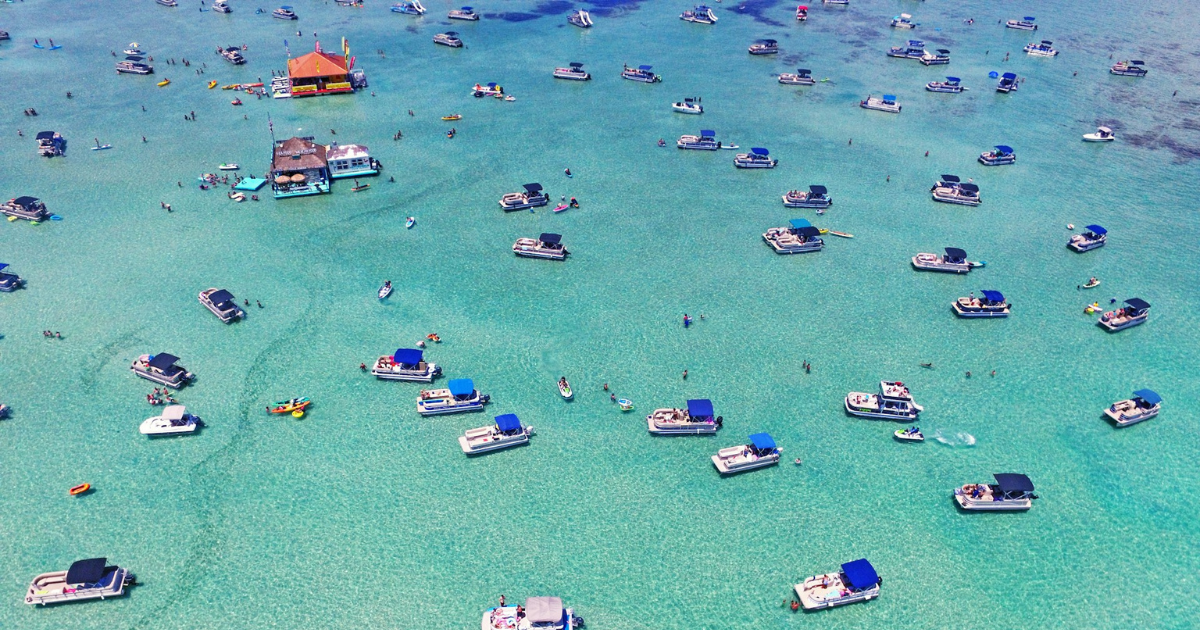
Michigan’s most photographed inland lake, and deservedly so long, deep, and turning an improbable Caribbean turquoise over its sandbars. The famous sandbar at the southern end is shallow enough to stand in far from shore.
Best for: families who want the postcard. Older children, boating, anyone with a camera. Practical: public access is limited and much of the shoreline is private, so book a rental with lake access. Busy on summer weekends.
2. Hamlin Lake and Ludington State Park
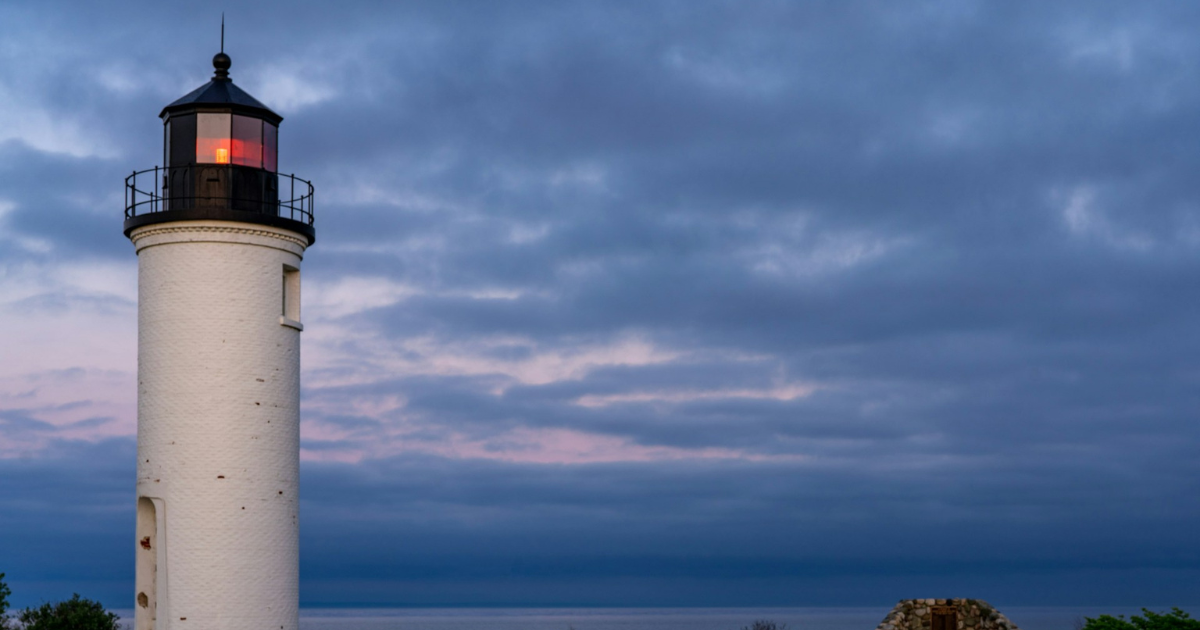
The best choice if you cannot decide. Ludington State Park sits on a narrow strip between warm, calm Hamlin Lake and Lake Michigan, linked by a walkable river channel.
Best for: all-round family holidays, toddler to teenager. Practical: canoe and kayak rentals, a lighthouse walk, dunes, and one of the state’s most popular campgrounds. Book six months out.
3. Higgins Lake
Exceptionally clear, spring-fed, and shallow along much of its edge, with two state parks on its shores.
Best for: young children. The gradual sandy entry makes it one of Michigan’s safest swimming lakes. Practical: its central Lower Peninsula location is an easy drive from Detroit or Chicago, and it is quieter than the Traverse City area.
4. Lake Michigan at Sleeping Bear Dunes
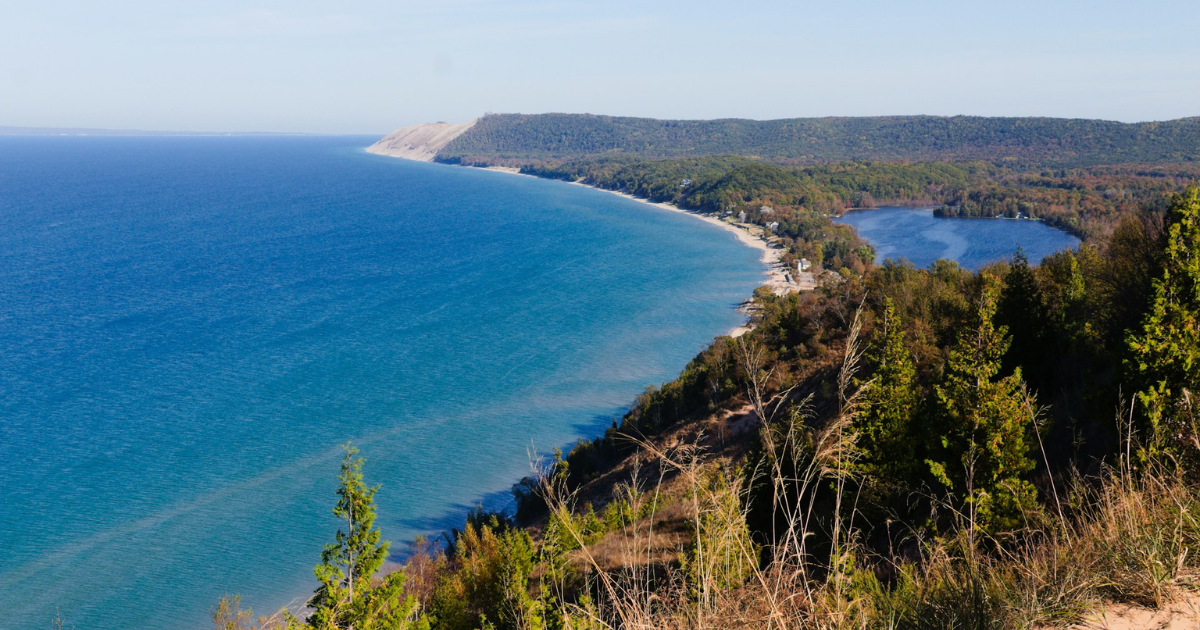
Less a lake to swim in than a landscape to experience. Sleeping Bear Dunes National Lakeshore has bluffs rising 450 feet above the water, the famous Dune Climb, the Pierce Stocking Scenic Drive, and beaches that regularly appear on lists of America’s most beautiful.
Best for: active families with children over about six. The dune climb is genuinely strenuous. Practical: entry is $25 per vehicle for seven days or $45 annual, and the Michigan Recreation Passport does not work here this is a federal site with its own fee. The D.H. Day and Platte River campgrounds book up to six months ahead.
5. Lake Charlevoix
A large, clear lake ringed by three appealing small towns Charlevoix, Boyne City and East Jordan ideal for families who want water plus somewhere to walk in the evening.
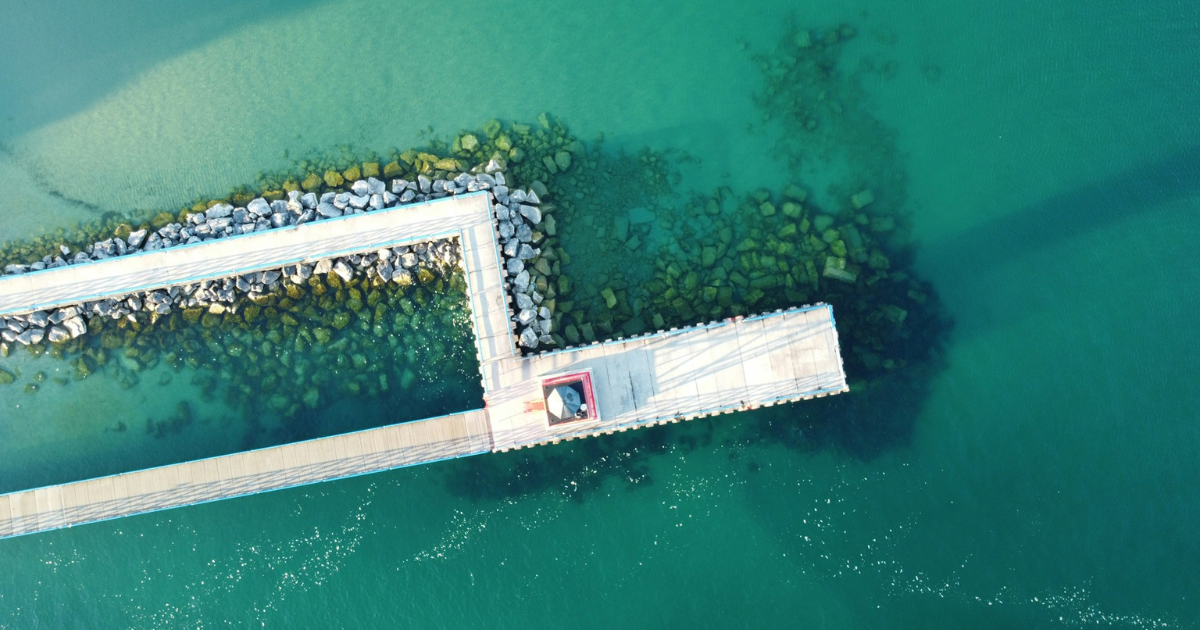
Best for: a mix of beach days and town life. Good for teenagers who get bored on a dock. Practical: Charlevoix town has a channel where boats pass close enough to wave at, plus a good beach. Popular, and rentals are not cheap.
6. Houghton Lake
Michigan’s largest inland lake and a long-established family resort area shallow, warm, unpretentious and affordable.
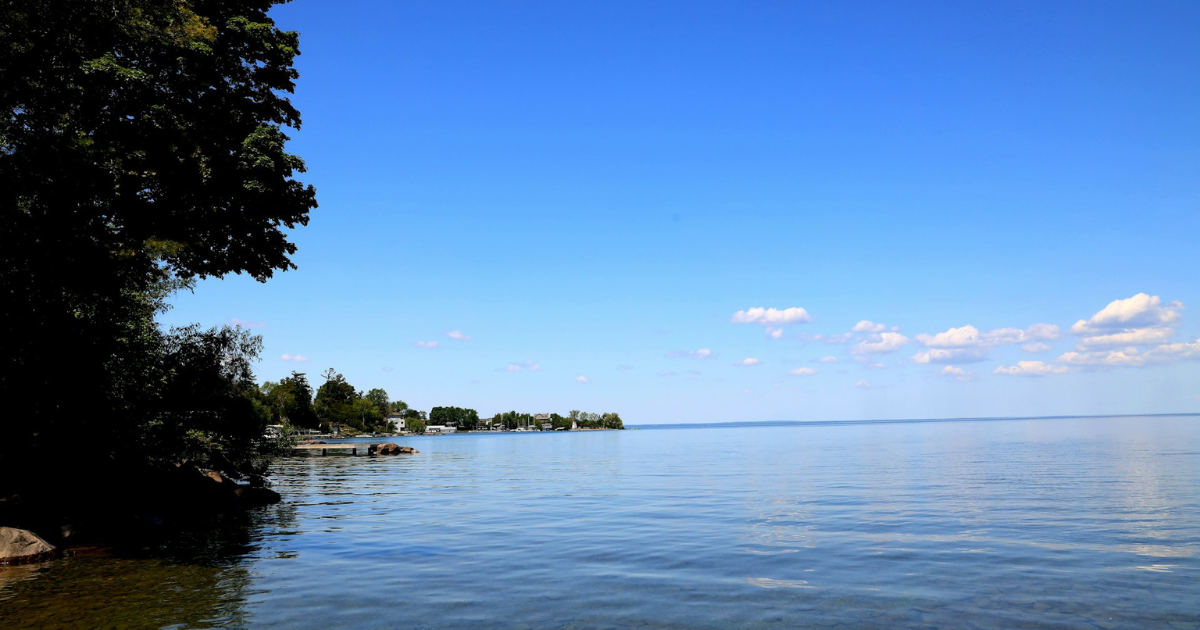
Best for: budget-conscious families and multi-generational groups. Practical: motels, cottages and campgrounds at lower prices than the northwest coast. Fishing, pontoon rentals and mini-golf rather than boutique shopping.
7. Grand Traverse Bay, Traverse City
Technically an arm of Lake Michigan, but its shallow, protected bays warm faster than the open lake, and Traverse City is the region’s most family-friendly base.
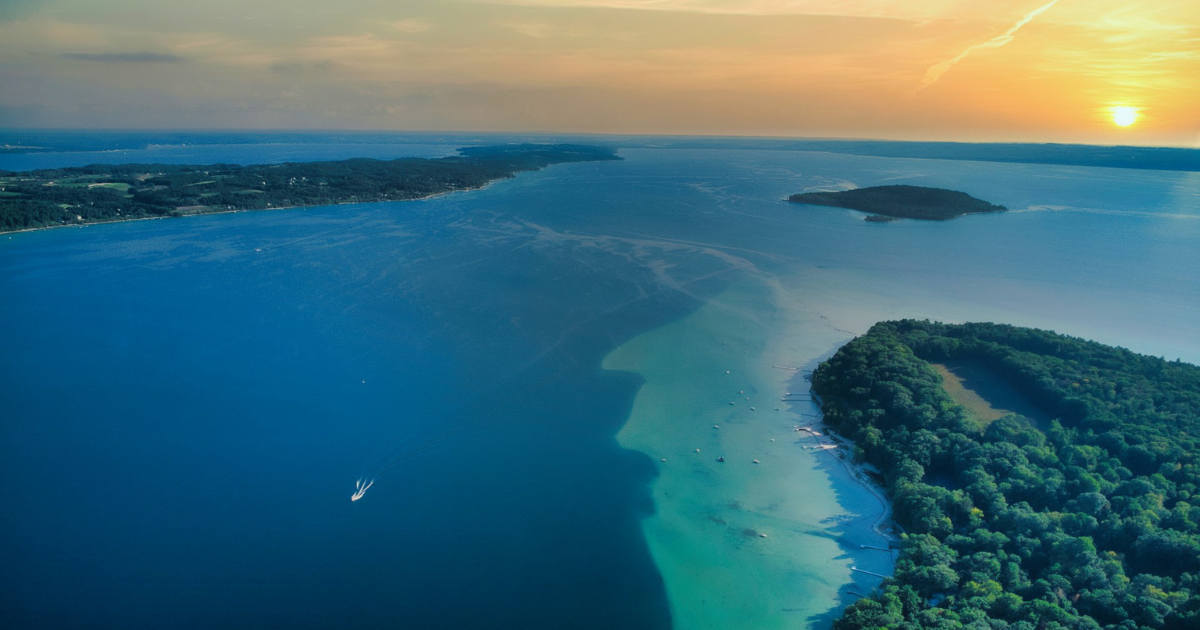
Best for: families wanting amenities restaurants, shops, activities and beaches in one place. Practical: the Traverse City State Park beach is easy and central, with cherry orchards, a wine region for the adults, and Sleeping Bear Dunes 45 minutes away.
8. Silver Lake and the Silver Lake Sand Dunes
A genuinely unusual spot: an inland lake beside enormous open sand dunes where you can drive off-road vehicles or ride a guided dune buggy.
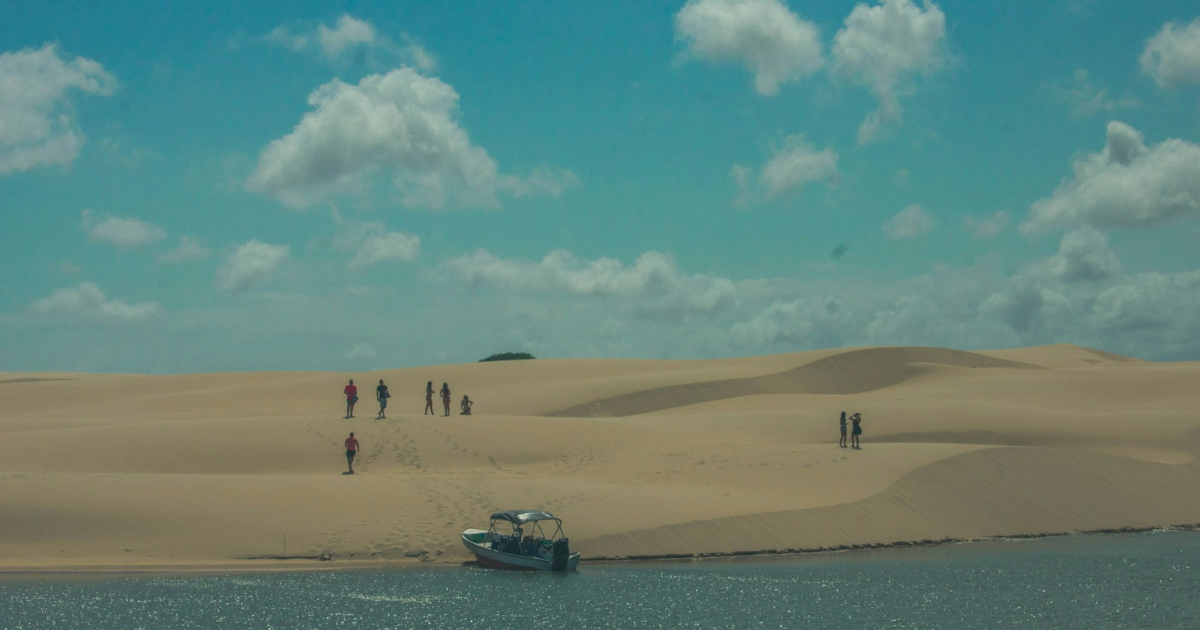
Best for: older children and teenagers who want more than a beach. Practical: dune rides are the draw, the lake is warm and swimmable, and there is a lighthouse nearby.
9. Burt and Mullett Lakes (the Inland Waterway)
Two large connected lakes forming part of a chain of navigable water across the northern Lower Peninsula. Quiet, uncrowded, excellent for boating families.
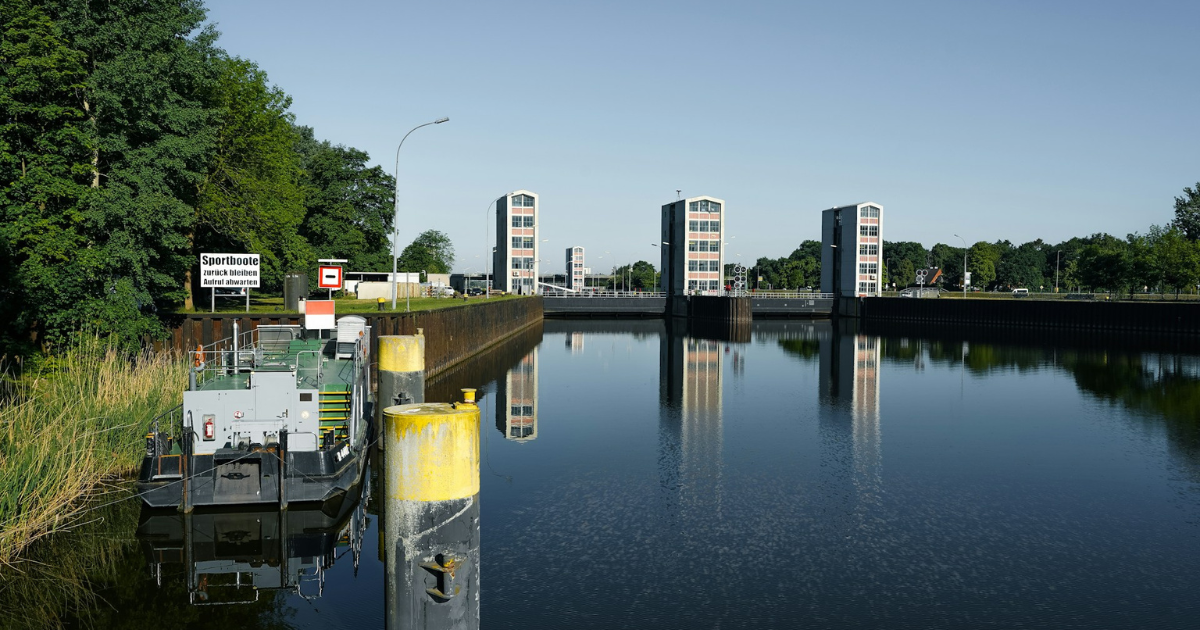
Best for: a genuine cottage week away from tourist traffic. Practical: Indian River and Cheboygan are the main towns, and rentals often cost less than equivalent properties on Torch or Charlevoix.
10. Lake Huron’s Sunrise Coast (Tawas and Oscoda)
Michigan’s east side gets a fraction of the west’s attention, which is precisely the point. Tawas Bay is shallow, protected and unusually warm for a Great Lake, with a long sandy beach.
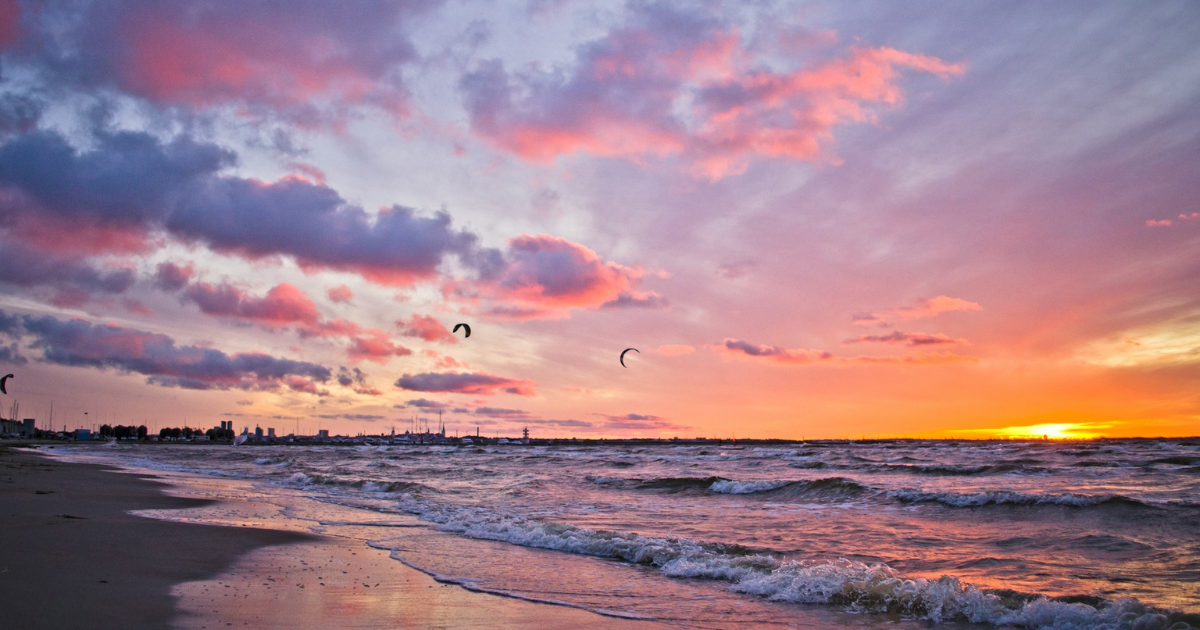
Best for: Great Lakes scale without Great Lakes cold or crowds and the side where the sun rises over the water rather than setting into it. Practical: significantly cheaper than the west coast, and a good choice for a first Michigan lake trip on a budget.
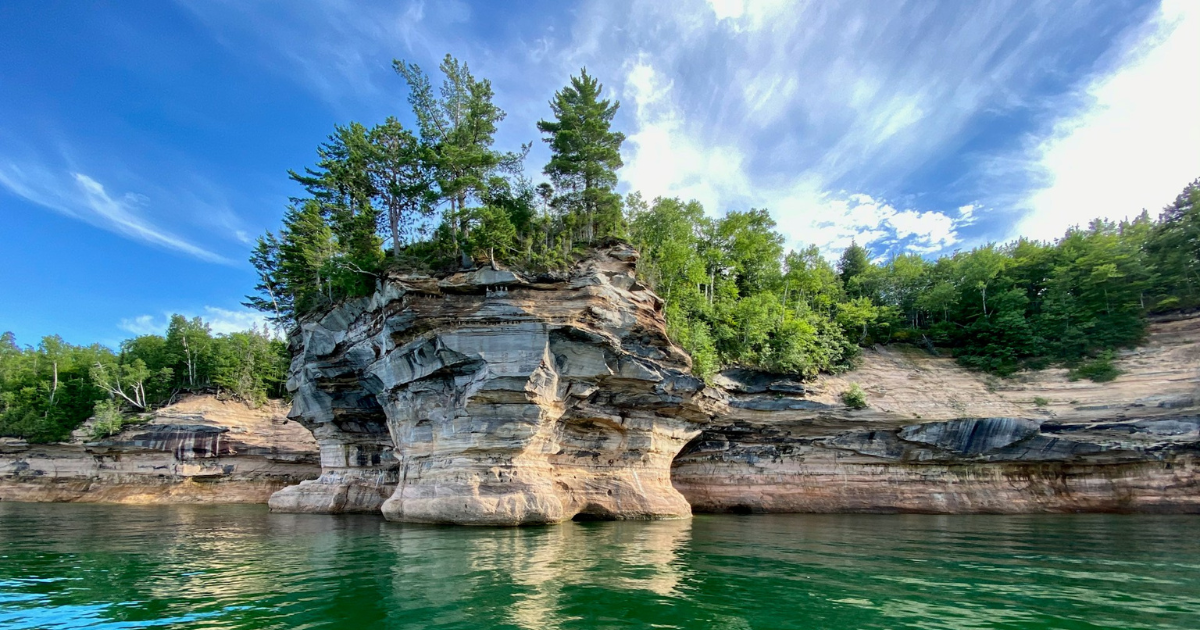
Also worth considering: Mackinac Island on Lake Huron, where cars are banned and everyone travels by bicycle or horse-drawn carriage a memorable day trip or overnight for families; and Lake Superior at Pictured Rocks for older, adventurous families, though the water is cold enough that swimming is largely theoretical.
Food and Local Culture
Michigan lake town food is casual, seasonal and built around families being outdoors all day.
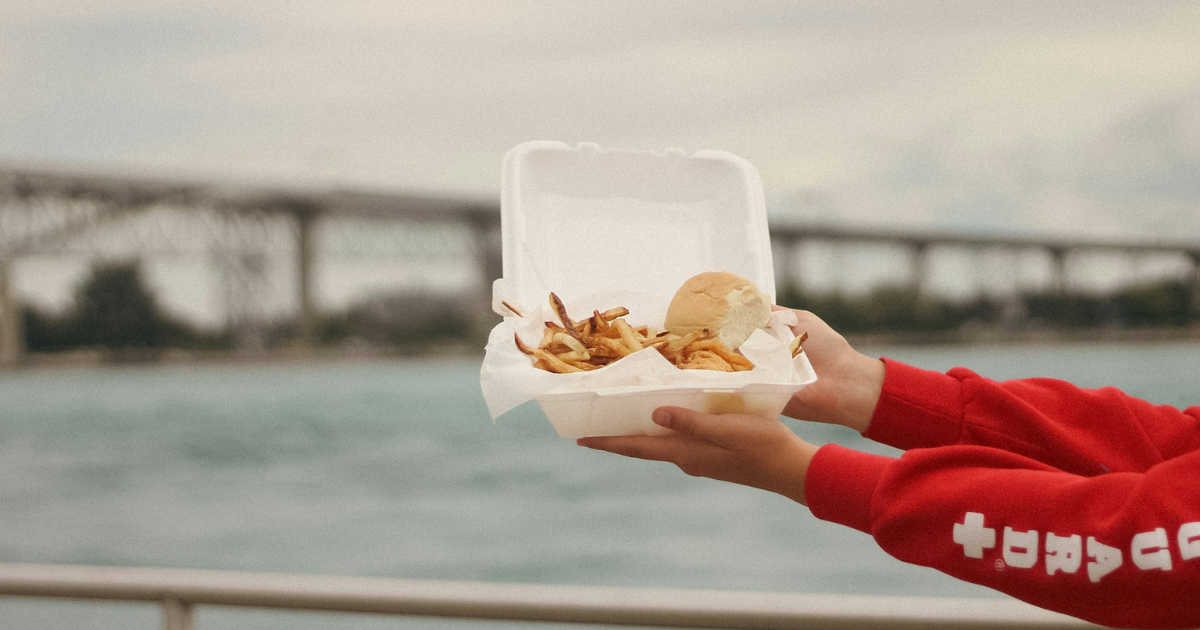
What to try:
- Freshwater fish whitefish and perch, usually fried or smoked, are the regional signature.
- Cherries northern Michigan grows most of America’s tart cherries. Expect cherry pie, jam, salsa and ice cream everywhere in July.
- Pasties a hearty filled pastry from the Upper Peninsula’s mining history, and the perfect portable lunch.
- Fudge a Mackinac Island institution that has spread across the north.
- Ice cream and drive-ins lake towns take both seriously.
Cultural notes for international visitors:
- Tipping is expected. Plan 18–20% in restaurants and a dollar or two per drink.
- Lake towns are seasonal. Many restaurants open only from late May to early September check before driving anywhere specifically outside that window.
- Book dinner ahead in July and August. Small towns with few restaurants fill quickly.
- Michiganders are friendly and informal, and will tell you their favourite lake at length if asked.
- Quiet hours matter on inland lakes. Cottage communities are residential, and noise carries across water further than people expect.
Transportation and Getting Around
A car is essential. Michigan’s lake regions have no meaningful public transport, and the whole point is moving between beaches, towns and trailheads.
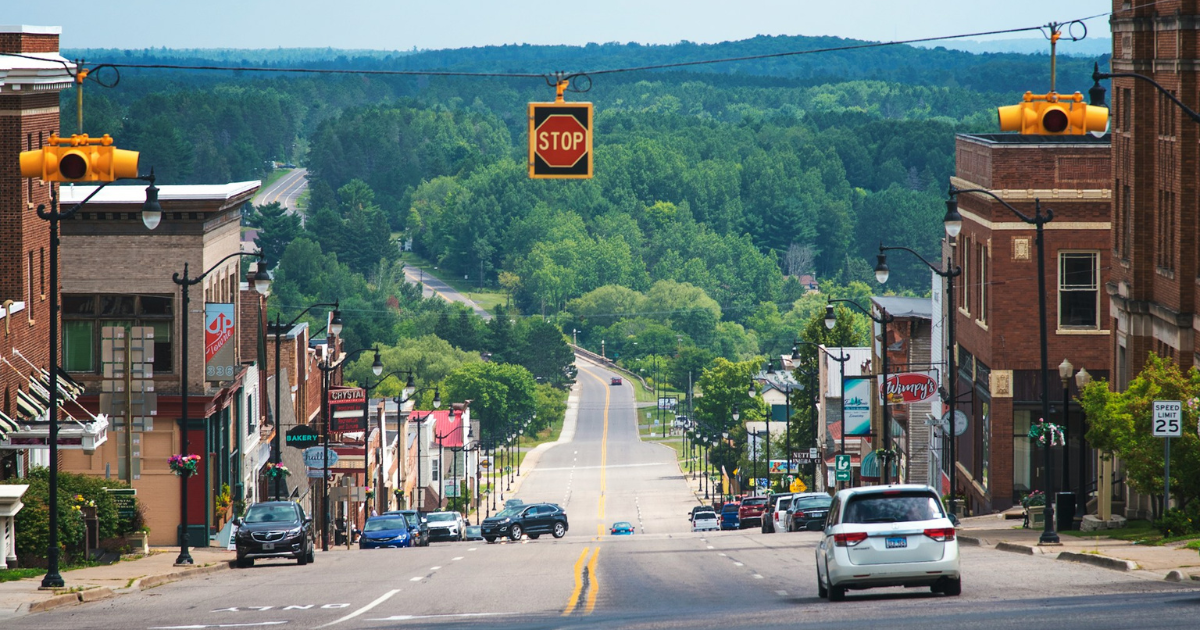
Getting there
|
Airport |
Best for |
Drive to northern lakes |
|
Detroit (DTW) |
Major international hub, best global connections |
3.5–4.5 hours |
|
Chicago O’Hare (ORD) |
Huge hub, cheap fares, west-side access |
4–6 hours |
|
Grand Rapids (GRR) |
Closest to Lake Michigan’s south coast |
2–3 hours |
|
Traverse City (TVC) |
Lands you in the middle of lake country |
0–1 hour |
International visitors almost always route through Detroit or Chicago. Flying into Detroit and driving north is the simplest option; flying into Traverse City costs more but saves a long drive with tired children.
Getting around
- Rental car book early. Summer inventory in Traverse City is limited and expensive.
- Distances are longer than they look. Traverse City to the Upper Peninsula is over three hours. Do not plan a state-wide loop in one week.
- Bicycles are excellent in lake towns and on the region’s rail trails.
- Ferries run to Mackinac Island from Mackinaw City and St. Ignace, where cars are banned.
- Fuel and groceries are cheaper in larger towns than resort villages. Stock up before you settle in.
Where to Stay
|
Style |
Best for |
Rough weekly / nightly cost |
|
Lakefront cottage rental |
The classic Michigan family week |
$1,500–4,000 per week |
|
State park campground |
Budget families, outdoor holidays |
$25–45 per night |
|
Resort towns hotels/motels |
Short stays, flexibility |
$150–300 per night |
|
Traverse City hotels |
Amenities and dining nearby |
$200–400 per night |
|
Houghton Lake / Tawas motels |
Value-focused trips |
$90–180 per night |
|
Cabins and yurts in state parks |
Families new to camping |
$60–120 per night |
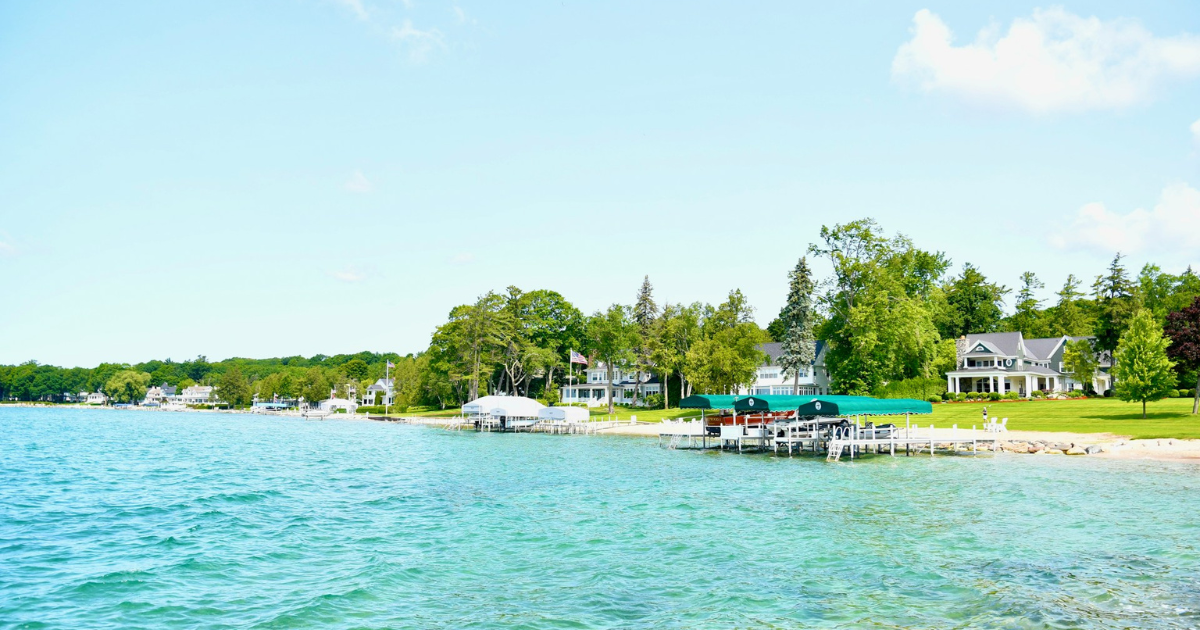
How to choose: a lakefront cottage for a full week is the traditional Michigan holiday and usually the best value for four or more people, since you cook most meals. Book six to twelve months ahead for July and August.
Michigan state park campgrounds are excellent and heavily booked reservations open six months ahead and popular sites go within minutes.
Budget tip: the Lake Huron side and the central Lower Peninsula cost substantially less than the Traverse City–Charlevoix corridor for a very similar experience.
Figures are in US dollars and shift with season. Treat them as planning estimates.
Daily budget for a family of four
|
Category |
Budget |
Mid-range |
Comfortable |
|
Accommodation |
$40–90 (camping) |
$200–350 |
$450+ |
|
Food |
$60–90 (self-catering) |
$130–190 |
$280+ |
|
Activities |
$0–40 |
$60–120 |
$200+ |
|
Car and fuel |
$70–100 |
$85–120 |
$150+ |
|
Daily total |
$170–320 |
$475–780 |
$1,080+ |
What things cost
- Michigan Recreation Passport the state park entry pass. Around $14–16 for residents when renewing vehicle registration; roughly $42 annual or $12 daily for non-residents. Prices rose slightly in January 2026.
- Sleeping Bear Dunes entry $25 per vehicle for 7 days, $45 annual. Not covered by the Recreation Passport.
- Pontoon boat rental: $300–500 per day
- Kayak or paddleboard rental: $20–45 per hour
- Mackinac Island ferry: roughly $35 adult return
- Casual family meal: $50–80; sit-down dinner: $100–150
Free things to do: every Great Lakes public beach, sunset watching, most hiking trails, rail-trail cycling, skipping stones, and looking for Petoskey stones Michigan’s fossil state stone, found along Lake Michigan’s northwest shore.
Currency note: cards work everywhere, though a few small-town ice cream stands and farm stands are cash only. Carry $40–60.
Water Safety: The Section That Matters Most
This is the part most family lake articles skip, and it is the most important thing in this guide.
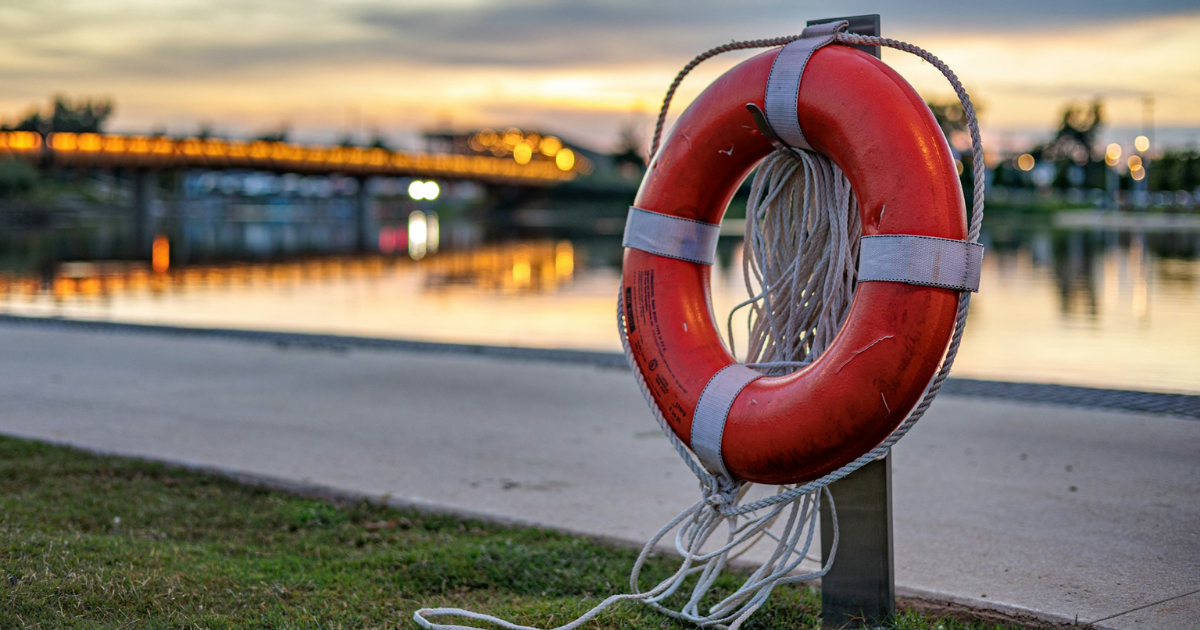
The Great Lakes have dangerous currents. They have no tides, but rip currents and structural currents near piers are genuinely lethal. Lake Michigan records the most drownings of the five Great Lakes, and has had more than 250 recorded rip current incidents since 2002 double the other four lakes combined.
Learn the flag system. Michigan state park beaches with buoyed swim areas use flags updated through the day:
- Green low hazard, conditions calm
- Yellow medium hazard, dangerous currents or higher waves possible
- Red high hazard, stay on the beach
- Double red water access is closed, and entering is prohibited by law
Essential rules for families:
- Swim inside buoyed areas where they exist. Not all beaches have them.
- Never swim near piers, breakwalls or river outlets. Structural currents there are almost always present, and swimmers near structures are far more likely to die.
- Life jackets for weak swimmers. US Coast Guard-approved, worn, not carried.
- Cold water shock is real. Great Lakes water stays cold enough to trigger involuntary gasping even on hot days.
- If caught in a current: Flip, Float and Follow. Flip onto your back, float to control breathing, and follow the safest path back to shore. Do not fight the current currents can exceed 5 mph, faster than an Olympic swimmer.
- Designate a water watcher one adult whose only job is watching the children, rotated every fifteen minutes.
Other safety notes: ticks are active in wooded areas, so check after hiking; sunburn is intensified by reflection off water; and boat rentals often require a boater safety certificate.
Travel Tips for International Visitors
Entry requirements. Most UK, EU, Australian, Japanese and other visa-waiver nationals need an approved ESTA before boarding. Apply on the official government site rather than a reseller. Other nationalities need a B-2 visitor visa, which can take months to schedule.
A significant 2026 change: the America the Beautiful annual pass for non-residents now costs $250, up sharply from previous years. For a single visit to Sleeping Bear Dunes, buy the $25 seven-day vehicle pass instead the annual pass only makes sense across a multi-park US trip.
Connectivity. Buy a US eSIM before departure. Coverage in lake towns is generally fine but drops in rural stretches and parts of the Upper Peninsula.
Useful apps. Google Maps with Michigan downloaded offline, the National Weather Service Great Lakes beach hazard page, AllTrails, and the Michigan DNR site for park and campground information.
Canada is close. Border crossings at Detroit and Sault Ste. Marie put Ontario within reach, but you will need appropriate documentation and re-entry permissions. Check both countries’ rules first.
Packing: swimwear plus a warm layer for evenings, which turn cool by the water even in August; water shoes for rocky lake bottoms; strong sunscreen; insect repellent for mosquitoes and ticks; rain jackets; and a US Type A/B 120V adapter.
Suggested 7-Day Northern Michigan Lake Itinerary
Days 1–2 :Traverse City. Arrive, settle in, beach days on Grand Traverse Bay, cherry orchards and a rail-trail bike ride.
Day 3 : Sleeping Bear Dunes. Pierce Stocking Scenic Drive in the morning, the Dune Climb before it gets hot, and a Lake Michigan beach for sunset.
Day 4 : Torch Lake. A slow day on the sandbar, then dinner in a small lakeside town.
Day 5 : Charlevoix and Lake Charlevoix. Watch the boats through the channel, swim, and walk the town in the evening.
Days 6–7 : Mackinac Island. Ferry across, hire bicycles, circle the island on the shoreline road, eat fudge, and stay overnight if the budget allows.
Shorter trip? Ludington State Park alone delivers a full family week with both an inland lake and Lake Michigan in one place.
Frequently Asked Questions

What are the best lakes in Michigan for a family vacation?
Torch Lake for scenery, Hamlin Lake and Ludington State Park for all-round value, Higgins Lake for young children, Lake Michigan at Sleeping Bear Dunes for dunes and beaches, and Houghton Lake or Tawas Bay for budget-friendly trips.
Are Michigan’s inland lakes warmer than the Great Lakes?
Yes, considerably. Inland lakes often reach the mid-70s to low 80s°F in summer, while Lake Michigan frequently stays in the 60s even in August. For young children, inland lakes are the more comfortable choice.
When is the best time for a Michigan lake vacation?
Mid-July through August for the warmest water. The first three weeks of September offer nearly as warm water with far fewer people and lower prices.
Is it safe to swim in the Great Lakes?
Yes, with care. Swim inside buoyed areas, check the beach flags, and never swim near piers or breakwalls, where dangerous structural currents are almost always present. If caught in a current, flip onto your back, float, and follow the safest path to shore.
Do you need a car for a Michigan lake vacation?
Yes. There is no meaningful public transport in the lake regions, and everything worth doing requires driving.
How much does a Michigan lake vacation cost?
Camping families can manage $170–320 per day for four people. Mid-range trips run $475–780 per day. A lakefront cottage typically costs $1,500–4,000 for a peak-season week.
Which Michigan lake is best for toddlers?
Higgins Lake and Hamlin Lake both have gradual sandy entries and calm, warm water. Tawas Bay on Lake Huron is the best Great Lakes option for very young children.
Do I need a pass for Michigan state parks?
Yes. The Recreation Passport is required for vehicle entry to all Michigan state parks, and it does not cover Sleeping Bear Dunes or Pictured Rocks, which are federal sites with separate fees.