Top 10 Things to Do in Las Vegas for Couples
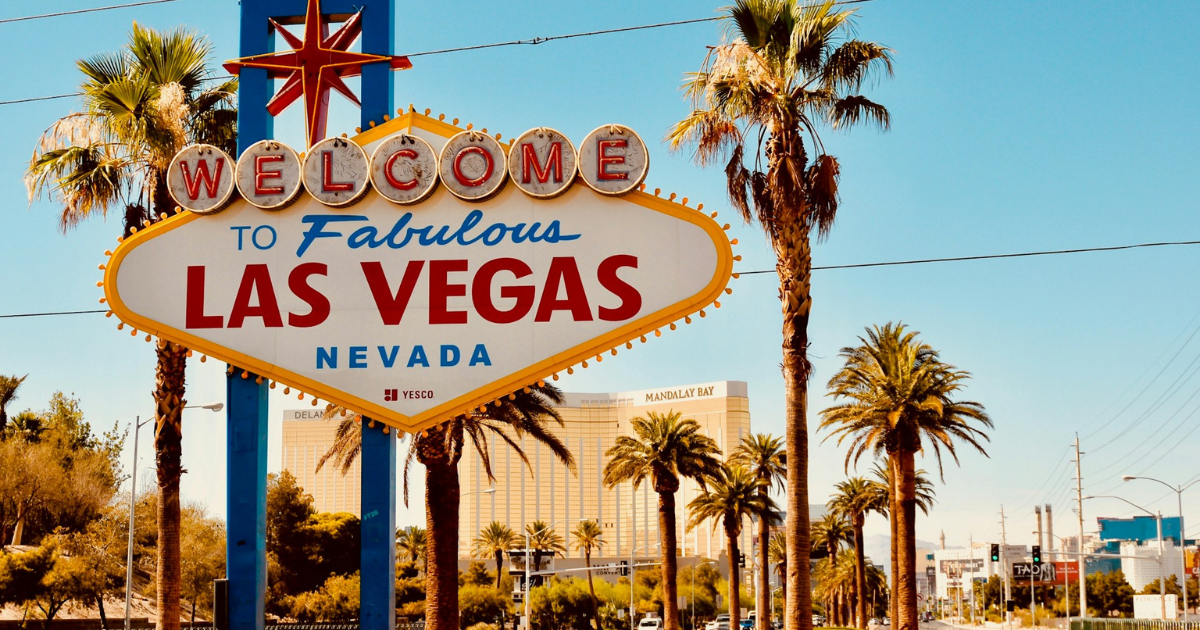
Most people picture Las Vegas as slot machines, buffets, and a headache the next morning. And yes, that version exists. But there’s another Vegas that opens up when you arrive as two one with red sandstone canyons twenty minutes from your hotel, hidden bars behind unmarked doors, and a desert sunrise you watch from a hot air balloon basket while the Strip glitters behind you.
This guide covers the top 10 things to do in Las Vegas for couples, plus everything around them: when to visit, what things actually cost, how to get around without renting a car, where to stay for every budget, and how international visitors can avoid the most common (and expensive) first-timer mistakes. Whether you’re planning a honeymoon, an anniversary, or a long weekend away, you’ll leave this page with a plan.
Destination Overview: Why Las Vegas Works So Well for Couples
Las Vegas sits in the Mojave Desert in southern Nevada, roughly 435 metres (1,430 feet) above sea level, ringed by mountains on almost every side. About 2.3 million people live in the metropolitan area, and around 40 million visitors pass through each year.
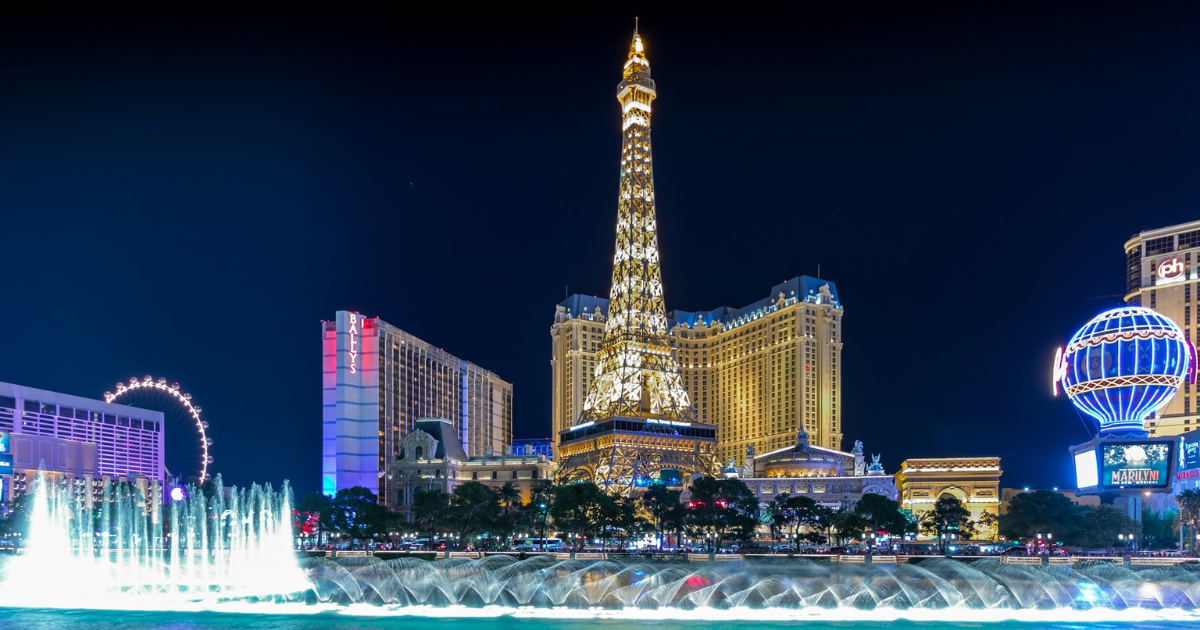
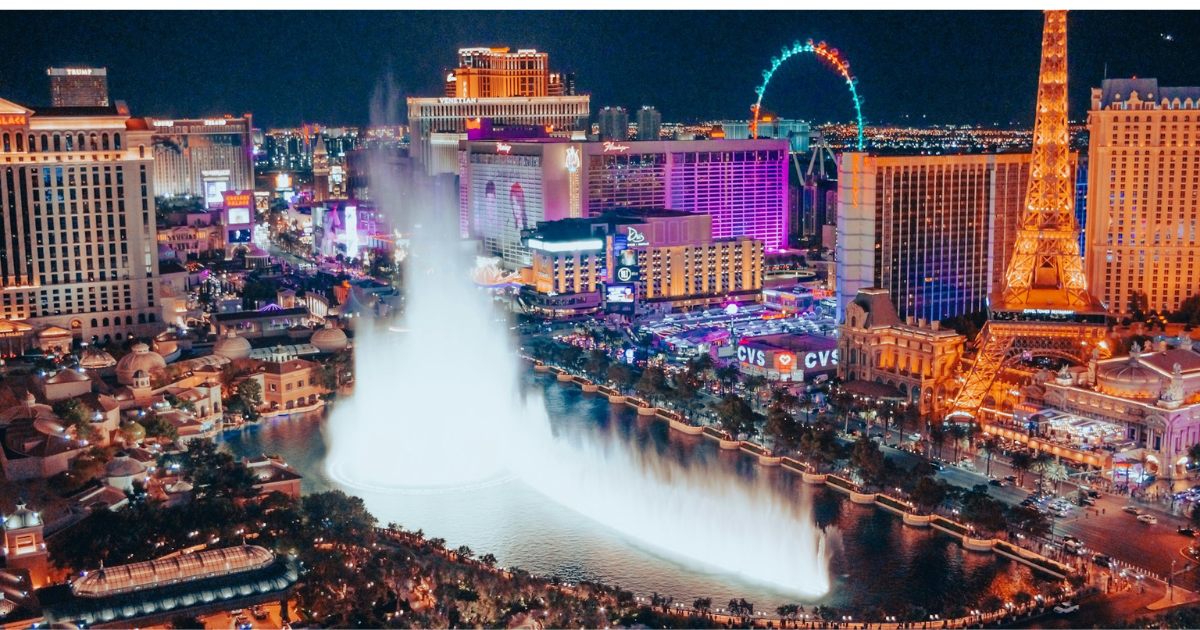
What makes it unusual for a romantic trip is the density. Almost everything sits along a 6.8 km (4.2 mile) stretch called the Strip, which means you can have breakfast in a French-styled café, spend the afternoon floating in a rooftop pool, watch a world-class acrobatic show at 7 pm, and be sipping a mezcal cocktail in a hidden bar by 10 all without a car.
Then there’s the second half of the story. Within a 45-minute drive you’ll find Red Rock Canyon, Lake Mead, the Hoover Dam, and Valley of Fire State Park. Few cities on earth put neon and wilderness this close together.
Good to know before you book:
- Nevada has no state income tax, but hotels add a resort fee of roughly $35–$55 per night that isn’t in the advertised room rate
- The legal drinking and gambling age is 21, and photo ID is checked constantly
- Distances on the Strip look short on a map and feel very long in the heat two “neighbouring” hotels can be a 20-minute walk apart
- The city runs 24 hours, so jet-lagged international arrivals rarely struggle to find food
Best Time to Visit Las Vegas
Short answer: March to May and September to November. These shoulder seasons bring comfortable temperatures, open pools, and prices well below peak. Summer is brutally hot, and winter is cheap but too cool for pool days.
|
Season |
Months |
Avg. High |
What It’s Like |
Hotel Prices |
|
Spring |
Mar–May |
24–33°C (75–92°F) |
Best overall. Pools open, hiking perfect |
Moderate–High |
|
Summer |
Jun–Aug |
38–42°C (100–108°F) |
Extreme heat. Pool-and-indoors only |
Low–Moderate |
|
Autumn |
Sep–Nov |
22–35°C (72–95°F) |
Excellent. Warm days, cool evenings |
Moderate |
|
Winter |
Dec–Feb |
14–18°C (57–65°F) |
Cool, quiet, cheapest. Pools mostly shut |
Low (except NYE) |
Timing tips most guides skip:
- Midweek is dramatically cheaper. The same room can cost three times more on Saturday than Tuesday. Arriving Sunday and leaving Thursday is the single biggest money-saver on a Vegas trip.
- Avoid big convention weeks unless you enjoy paying triple. CES in early January and other major trade shows fill the city.
- Summer heat is not “hot weather.” In July, afternoon temperatures regularly pass 40°C (104°F). Outdoor plans must happen before 9 am.
- Late December through early January is festive but expensive, and New Year’s Eve on the Strip is shoulder-to-shoulder.
The Top 10 Things to Do in Las Vegas for Couples
These are ranked by how memorable they are as a shared experience not by how famous they are.
1. Watch Sunrise From a Hot Air Balloon Over the Mojave
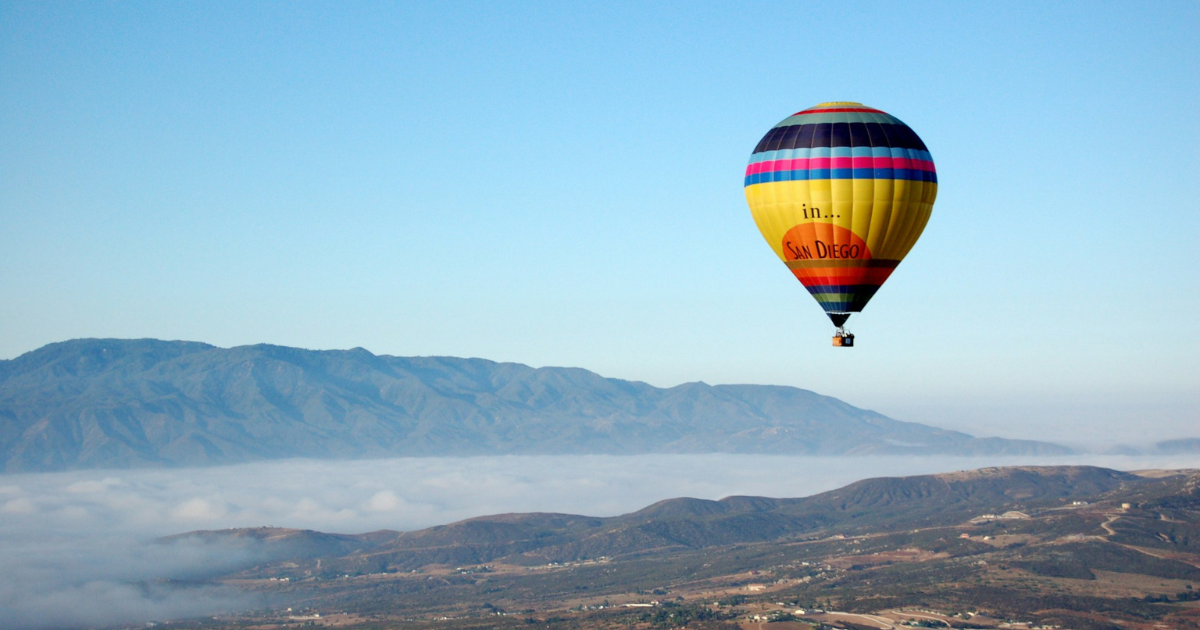
You’ll be collected in the dark, driven out past the city edge, and lifted off just as the sky turns rose gold behind the mountains. It is silent up there except for the burner. The Strip sits on the horizon looking oddly small, and the desert below shifts from grey to burnt orange as the sun clears the ridge.
- Cost: roughly $250–$400 per person
- Duration: 3–4 hours including transfers
- Best season: October to April (summer flights are limited)
- Insider tip: Book for your first morning. Flights are frequently cancelled for wind, and an early booking gives you a spare day to reschedule.
2. Ride the High Roller at Golden Hour
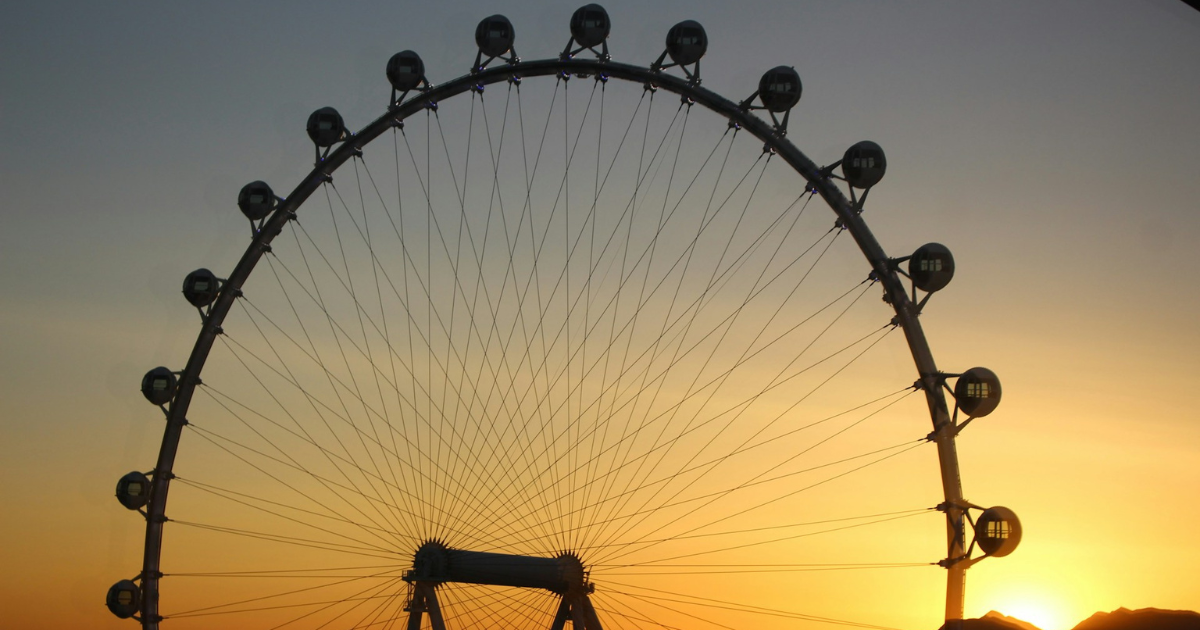
At 167 metres (550 feet), the High Roller observation wheel at The LINQ gives you 30 minutes in a glass cabin above the entire valley. Time your ticket for about 40 minutes before sunset and you’ll get the desert glowing on one side and the Strip switching on its lights on the other.
- Cost: around $25–$40 per person; the “Happy Half Hour” cabin with an open bar runs about $60–$75
- Insider tip: The Happy Half Hour cabin is genuinely better value than it sounds two drinks each usually covers the difference, and the cabin is more social and less crowded than the standard pods.
3. Drive the Red Rock Canyon Scenic Loop
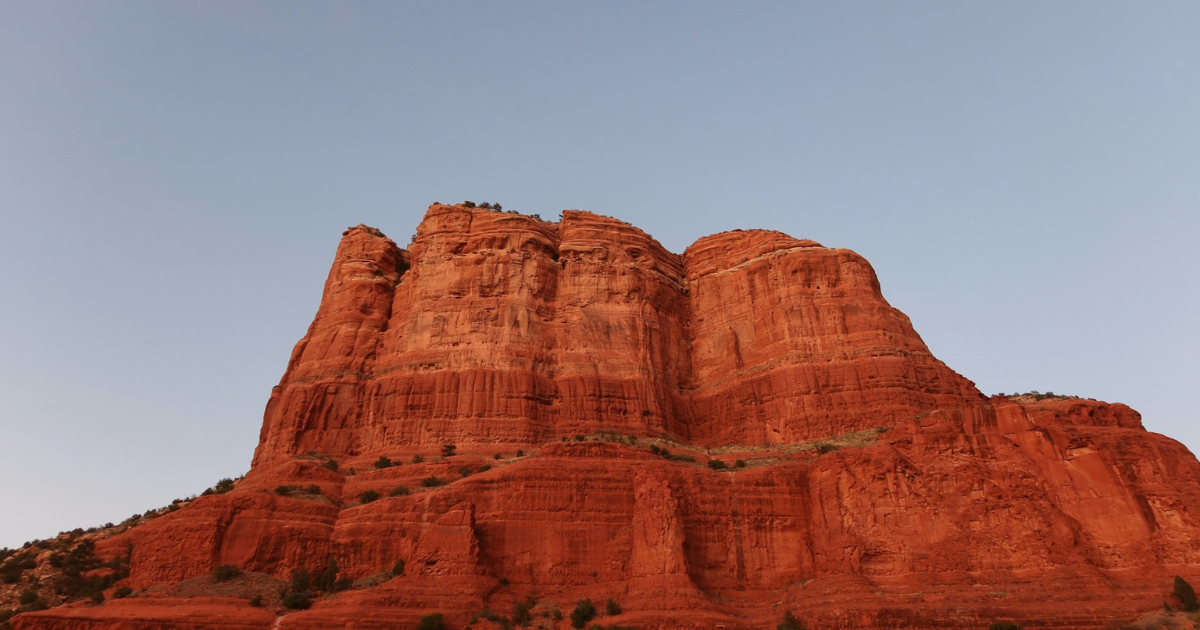
Twenty-five minutes west of the Strip, the landscape changes completely. Red Rock Canyon National Conservation Area is a 21 km (13 mile) one-way loop through cliffs of scarlet and cream sandstone, with pull-outs, picnic spots, and trails ranging from ten-minute strolls to serious scrambles.
- Cost: about $20 per vehicle, plus a timed-entry reservation required October through May
- Easy walks for couples: Calico Tanks (2.4 km, moderate) or the Lost Creek waterfall trail (short and shaded)
- Insider tip: Go at sunrise. The rock colour is at its most intense, the car park is empty, and you’re back at your hotel for a late breakfast.
4. Book a Couples Spa Day (The Underrated Vegas Luxury)

Vegas spas are enormous and, on weekdays, surprisingly affordable. Many let you buy a day pass to the thermal circuit hot and cold plunge pools, steam rooms, salt rooms, herbal saunas without booking a treatment at all.
- Cost: day passes roughly $60–$100 per person; couples massages from about $300 for two
- Where: Qua Baths & Spa at Caesars Palace has the famous Arctic Ice Room; the spas at Aria, Waldorf Astoria, and Wynn are all excellent
- Insider tip: Ask whether the spa fee is waived when you book a treatment it often is, which makes a 50-minute massage better value than a bare day pass.
5. Take a Gondola Ride at The Venetian
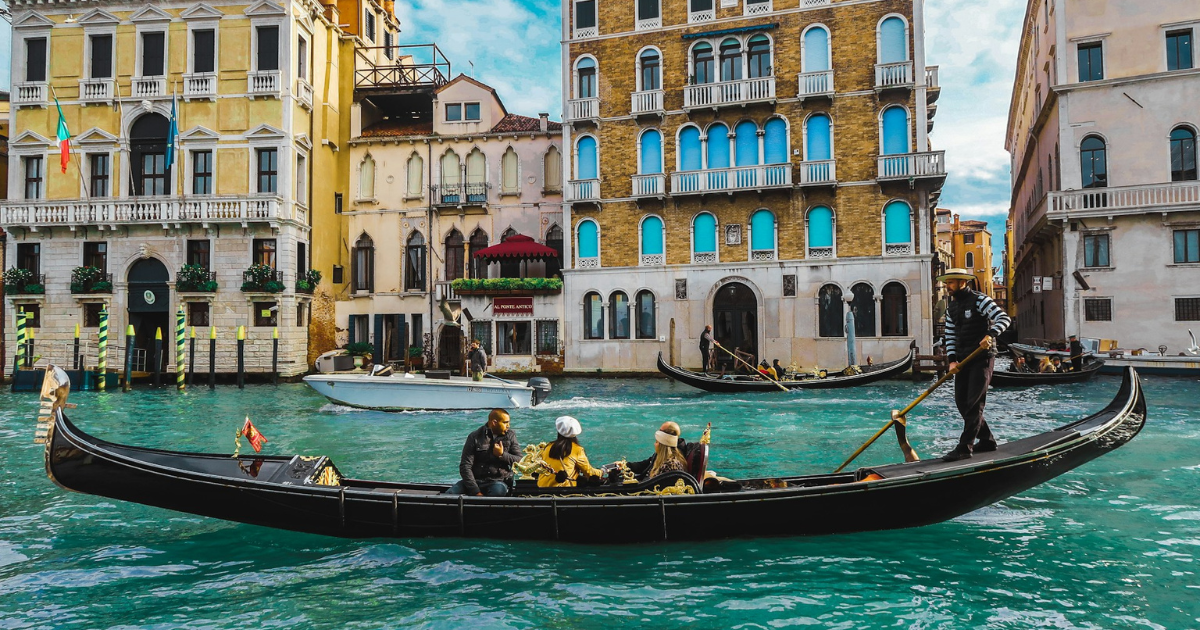
Yes, it’s touristy. Do it anyway. A gondolier poles you along an indoor or outdoor canal under painted ceilings, singing in Italian, for about 15 minutes. It’s charming precisely because it doesn’t pretend to be anything other than what it is.
- Cost: roughly $35–$45 per person, or around $130 for a private two-person gondola
- Insider tip: The outdoor canal at sunset beats the indoor one. Private booking is worth it if you want photos without strangers sitting opposite you.
6. Go Speakeasy Hunting After Dark
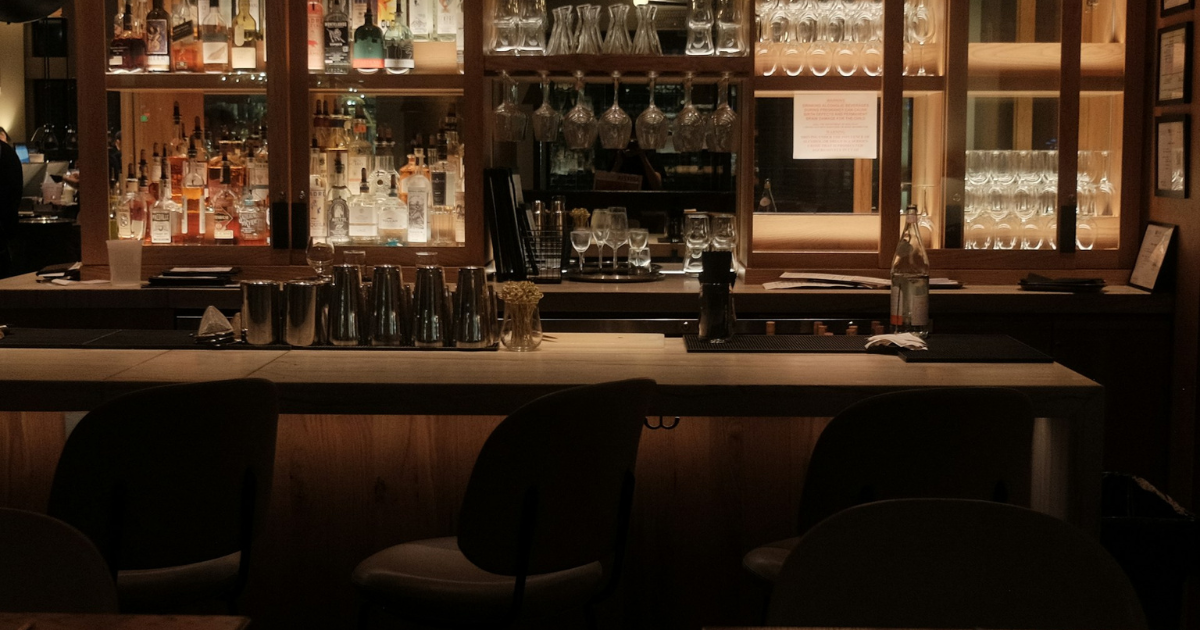
This is the Vegas that regulars love. Behind a hotel corridor, through a fridge door, up an unmarked staircase the city has a superb hidden-bar scene where the drinks are serious and the crowds are small.
- The Laundry Room (Downtown, inside Commonwealth) reservation by text, strict no-photos rule
- Ghost Donkey (Cosmopolitan) tiny, neon-pink, mezcal and truffle nachos
- Vesper Bar and Herbs & Rye proper classic cocktails, no gimmicks
- Cost: around $18–$25 per cocktail
- Insider tip: These bars are small. Message or call the day before, not the day of.
7. See One Great Show
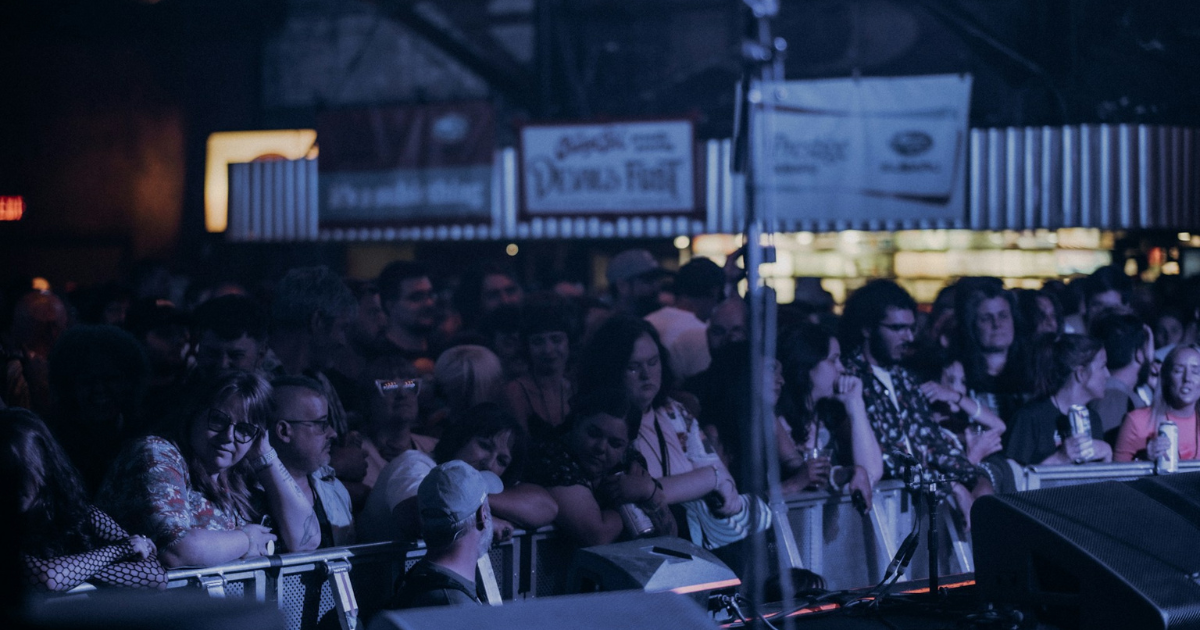
Cirque du Soleil’s “O” at the Bellagio, performed in and above a 5.7 million-litre pool, is still the most reliably jaw-dropping thing on the Strip. “Mad Apple” is livelier, “Awakening” at Wynn is spectacle-heavy, and the Sphere’s immersive productions are unlike anything else on earth.
- Cost: roughly $90–$300 per person depending on show and seats
- Insider tip: Same-day discount booths (Tix4Tonight) can cut 30–50% off, but you lose seat choice. For “O” specifically, book ahead and pay full price it sells out.
8. Have One Genuinely Special Dinner
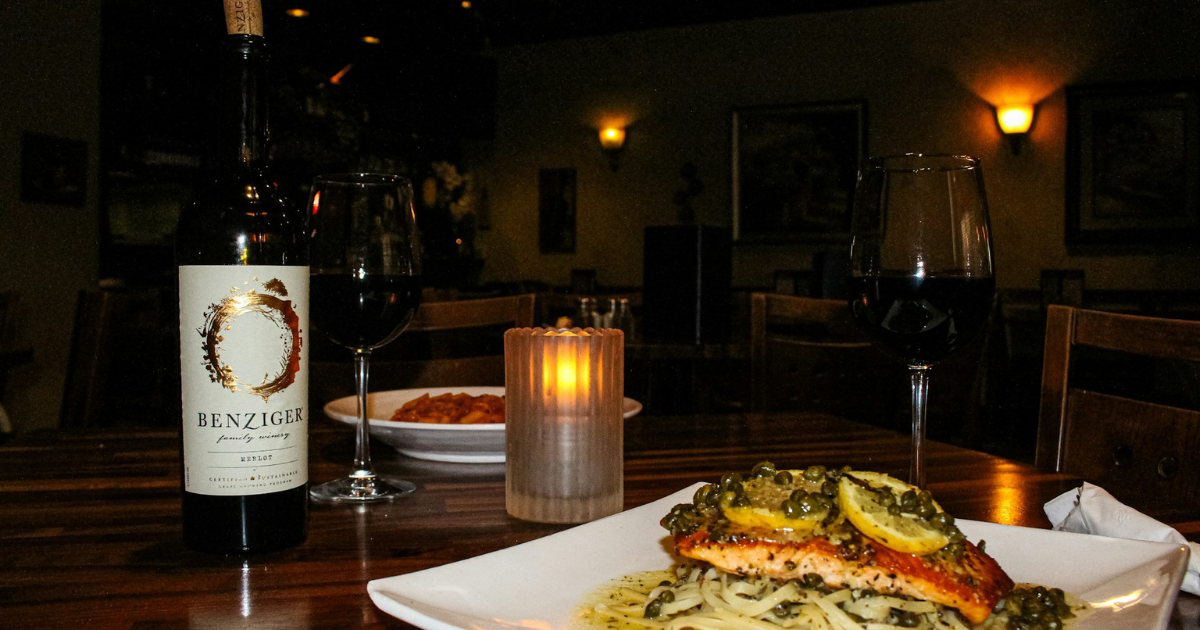
Vegas quietly became one of the best restaurant cities in the United States. For couples, the win is a table with a view or a chef’s counter where you sit side by side.
- For the view: Eiffel Tower Restaurant (facing the Bellagio fountains), Top of the World (revolving, at the Strat)
- For the food: Wing Lei, Joël Robuchon, Yui Edomae Sushi, Esther’s Kitchen in the Arts District
- Cost: $80–$150 per person mid-range; $250+ for tasting menus
- Insider tip: Request a fountain-side window when you book, then call again 48 hours before to confirm it. Fountain tables aren’t guaranteed by the booking system.
9. Take a Day Trip to Valley of Fire or the Hoover Dam
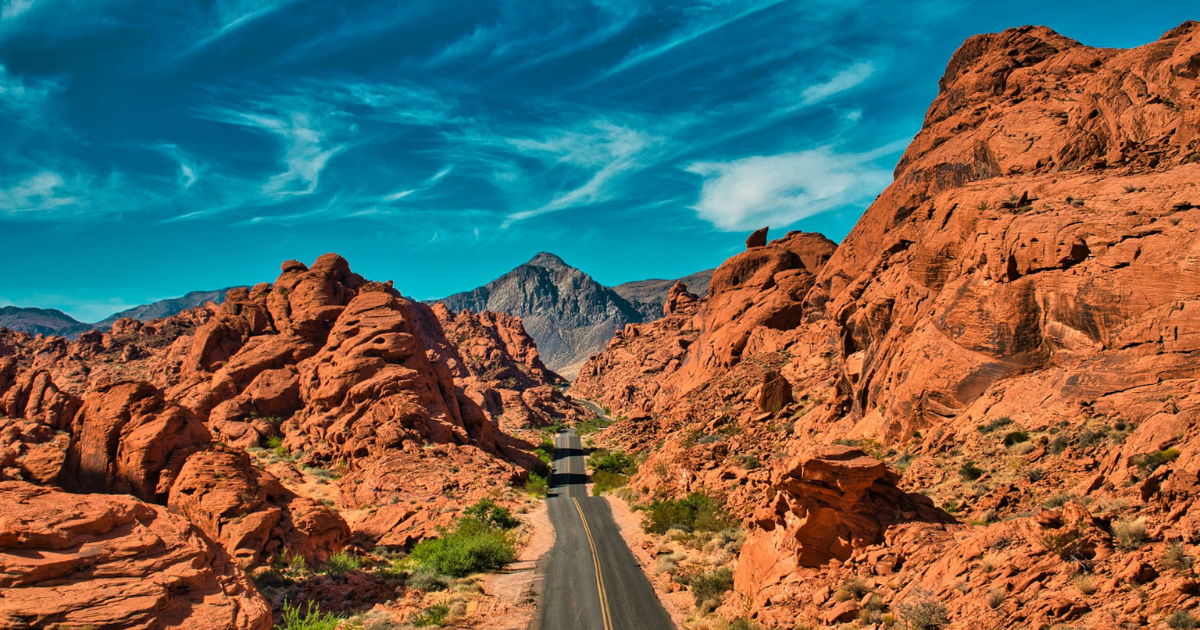
Valley of Fire State Park (an hour northeast) is the more romantic choice Aztec sandstone formations that genuinely look on fire in late afternoon light, plus the Fire Wave trail and ancient petroglyphs. Hoover Dam (45 minutes southeast) is the engineering pilgrimage, best combined with Lake Mead.
- Cost: Valley of Fire around $15 per vehicle; Hoover Dam tours $10–$30 per person; organised day tours $80–$150 each
- Insider tip: Fire Wave is closed in the hottest summer months for safety. If you’re visiting June to September, go to Hoover Dam instead and start at 7 am.
10. Walk Downtown: The Neon Museum and Fremont East
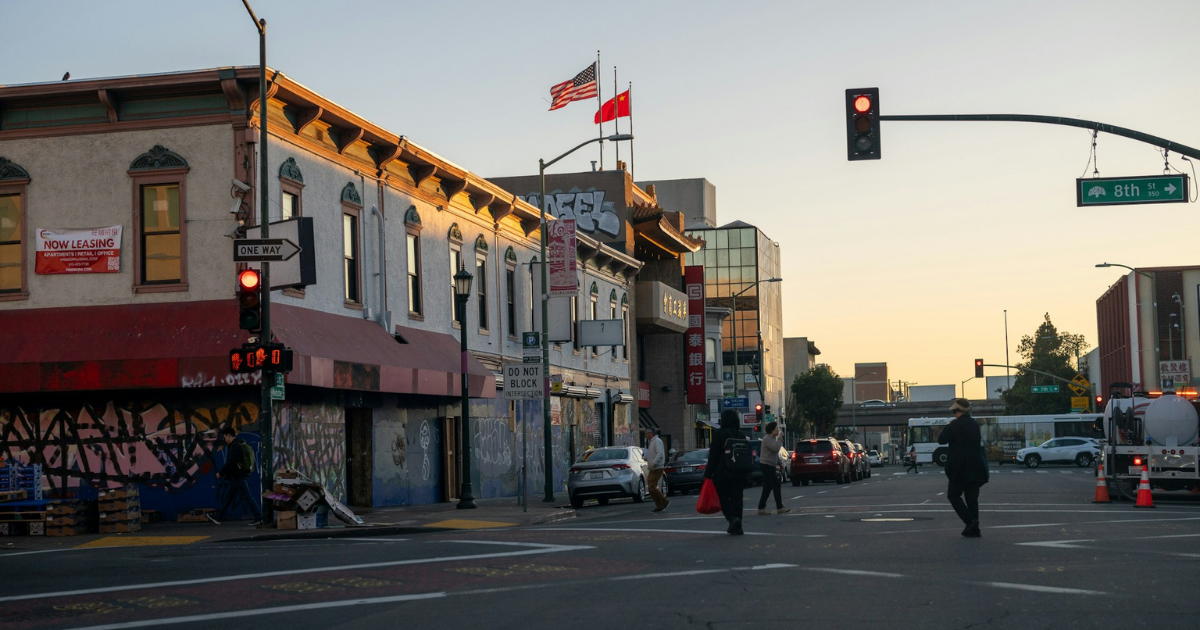
Downtown Las Vegas is older, grittier, and far more atmospheric than the Strip. The Neon Museum is a “boneyard” of retired casino signs book the night tour, when many are relit and the whole place glows. Afterwards, wander into the Fremont East District or the Arts District for independent bars, murals, and locals rather than tourists.
- Cost: Neon Museum roughly $28–$40 per person (night tours cost more and are worth it)
- Insider tip: Pair the Neon Museum with dinner in the Arts District. It’s the one evening of your trip that will feel like a real city rather than a resort.
Free bonuses worth building your evening around: the Bellagio Fountains (every 15–30 minutes after dusk), the Bellagio Conservatory’s seasonal displays, the Fremont Street Experience light canopy, and Seven Magic Mountains a stack of neon-painted boulders in the desert 30 minutes south, free and endlessly photogenic.
Food and Local Culture
Las Vegas food splits into three worlds, and a good trip uses all three.
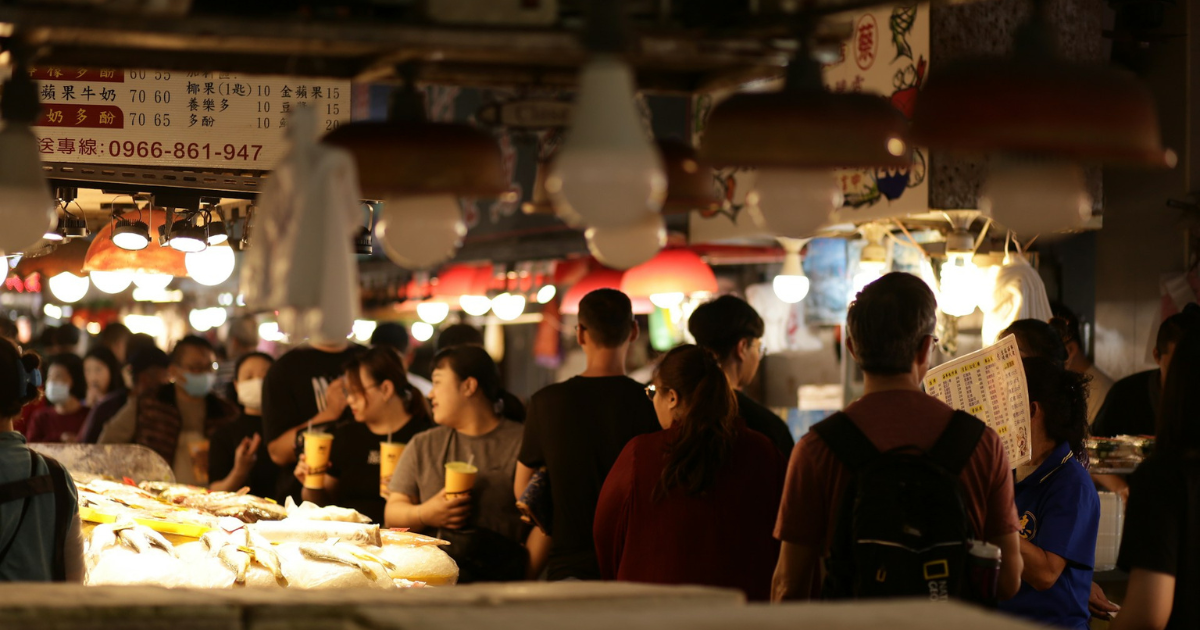
The celebrity-chef world is what the city is famous for. Nearly every major international chef has an outpost here. It’s excellent, and it’s expensive.
The buffet world has shrunk considerably from its heyday, but the survivors Bacchanal at Caesars, Wicked Spoon at the Cosmopolitan remain an experience. Expect $60–$90 per person at dinner.
The local world is where you’ll eat best per dollar. Chinatown on Spring Mountain Road is a five-kilometre stretch of outstanding Thai, Korean, Japanese, Vietnamese, and Sichuan restaurants where a superb meal costs $20–$30 a head. Ask any Vegas local where they eat and they’ll point you here.
Cultural notes for visitors:
- Tipping is not optional in practice. Budget 18–20% at restaurants, $1–$2 per drink at a bar, $2–$5 per bag for porters, and a few dollars a day for housekeeping.
- Dress codes exist at upscale restaurants, clubs, and some lounges no shorts, athletic wear, or open-toed shoes for men in the evening.
- Photography rules are strict on casino floors. Don’t photograph other players or dealers.
- Cannabis is legal in Nevada for adults over 21, but consuming it in public, in casinos, or in most hotel rooms is not permitted.
- Street performers on the Strip expect payment before a photo. Agree the price first.
Transportation and Getting Around
You do not need a car if you’re staying on the Strip. You do need one if the desert is on your list.

|
Option |
Approx. Cost |
Best For |
|
Walking |
Free |
Short Strip hops (allow double the time you’d expect) |
|
Las Vegas Monorail |
~$6 single, ~$15 day pass |
East-side Strip resorts, MGM Grand to Sahara |
|
Deuce bus (RTD) |
~$6 for 2 hours, ~$8 for 24 hours |
Strip plus Downtown, runs 24 hours |
|
Rideshare (Uber/Lyft) |
$10–$25 typical Strip trip |
Evenings, luggage, groups |
|
Taxi |
20–30% more than rideshare |
When surge pricing spikes |
|
Rental car |
$40–$80/day plus $20–$40/day parking |
Red Rock, Valley of Fire, Hoover Dam |
Practical tips:
- Rideshare pickup points are specific. Large resorts have designated rideshare zones, often in a parking garage. Follow the signs rather than standing at the front door.
- Rent a car for one day only. Most couples save money by using rideshare for city days and renting a car for a single desert day.
- Harry Reid International Airport (LAS) sits about 8 km from the Strip a 10–20 minute ride. A rideshare runs roughly $18–$30.
- The pedestrian bridges are compulsory at major intersections. You cannot cross the Strip at street level in most places.
- Download before you land: Uber, Lyft, Google Maps (with the Vegas area saved offline), and your resort’s own app for room keys and reservations.
Where to Stay: Accommodation Recommendations

|
Budget Level |
Nightly Rate (midweek) |
Suggested Properties |
Why |
|
Budget |
$50–$120 |
The LINQ, Excalibur, Downtown Grand, Circa (adults only) |
Central, walkable, low cost |
|
Mid-range |
$150–$280 |
The Cosmopolitan, Park MGM, Venetian, Caesars Palace |
Best balance of romance and price |
|
Luxury |
$350–$800+ |
Wynn/Encore, Aria Sky Suites, Bellagio, Waldorf Astoria |
Top spas, service, and views |
|
Non-casino |
$200–$400 |
Waldorf Astoria, Vdara, Delano |
Quiet, no smoke, no gaming floor |
How to choose as a couple:
- Ask for a Strip-view or fountain-view room at booking and again at check-in. The upgrade is often $30–$60 and completely changes the trip.
- Resort fees are unavoidable at most properties. Add $35–$55 per night to any quoted price when comparing.
- Casino smoke is real. If either of you is sensitive to it, book a non-gaming hotel such as Vdara, Waldorf Astoria, or Delano.
- Ask if a suite upgrade is available at check-in on a midweek stay. It costs nothing to ask and works more often than people expect.
- Mention your occasion. Anniversaries and honeymoons quietly attract better rooms and the occasional bottle of sparkling wine.
Budget and Travel Costs
Here’s a realistic picture for two people, per day, excluding flights.
|
Style |
Hotel |
Food & Drink |
Activities |
Transport |
Daily Total (couple) |
|
Budget |
$80 |
$70 |
$40 |
$20 |
≈ $210 |
|
Mid-range |
$200 |
$180 |
$150 |
$50 |
≈ $580 |
|
Luxury |
$500 |
$400 |
$400 |
$120 |
≈ $1,420 |
Money-saving tactics that actually work:
- Travel Sunday to Thursday. This alone can halve accommodation costs.
- Eat one big meal a day at a great restaurant and keep the others casual.
- Build a day around free attractions: the fountains, the Conservatory, Fremont Street, the Aria art collection.
- Use happy hours, generally 4–7 pm, where cocktails drop to $8–$12.
- Skip bottle service. A table at a nightclub starts around $500 and climbs fast.
- Withdraw cash from a bank ATM off the Strip. Casino ATMs charge steep fees.
Currency notes: The US dollar is the only accepted currency. Cards are accepted almost everywhere, but keep $50–$100 in small bills for tips. Decline “dynamic currency conversion” if a card machine offers to charge you in your home currency the exchange rate is always worse.
Safety Tips for Couples in Las Vegas
Las Vegas is a heavily monitored, heavily policed tourist city, and violent crime against visitors is rare. Most problems are opportunistic or heat-related.
- Watch your drink. Never leave it unattended, and don’t accept drinks from strangers.
- Pickpocketing happens in crowds Fremont Street, fountain shows, nightclub queues. Use a front pocket or a cross-body bag.
- Heat is the genuine danger. Dehydration and heatstroke send more visitors to hospital than anything else. Carry water constantly in summer, and don’t hike after 9 am.
- Stick to well-lit areas at night. A few blocks off the Strip or Fremont Street the atmosphere changes quickly.
- Never hand your phone to a stranger offering to take a photo, and be wary of “free” gifts, CDs, or bracelets handed to you on the street.
- Emergency number is 911 for police, fire, and ambulance.
- Travel insurance is essential. US healthcare costs are extremely high; a single emergency room visit can exceed $3,000 without cover.
Travel Tips for International Visitors
Visa and entry. Citizens of Visa Waiver Program countries need an approved ESTA before boarding apply at least 72 hours ahead through the official Department of Homeland Security site, not a third-party reseller. Everyone else needs a B-2 tourist visa, which can take weeks or months to schedule. Check requirements at travel.state.gov.
Connectivity. An eSIM bought before departure (Airalo, Holafly, or your home carrier’s roaming pass) is the simplest option typically $10–$30 for a week of data. Physical prepaid SIMs from T-Mobile or AT&T are available at the airport. Hotel and casino Wi-Fi is usually free but often bundled into the resort fee.
Electricity. The US uses 120V and Type A/B plugs. Bring an adapter; most hotels won’t supply one.
Time zone. Pacific Time (UTC−8, or UTC−7 during daylight saving). Casinos deliberately have no clocks or windows, so set alarms losing track of time here is a well-documented phenomenon.
Packing essentials:
- Genuinely comfortable walking shoes you’ll cover 15,000+ steps a day
- One smart outfit each for shows, fine dining, or clubs
- Refillable water bottle, high-SPF sunscreen, sunglasses, and a hat
- A light jacket even in summer indoor air conditioning is aggressive
- Lip balm and moisturiser; desert humidity often sits below 20%
- Passport or ID carried at all times for age verification
Etiquette quick hits: Tip generously. Don’t photograph strangers on the casino floor. Queue politely. Greet staff service culture here is friendly and reciprocated.
Suggested 3-Day Romantic Itinerary
Day 1 : Arrive and ease in Morning: Check in, unpack, pool time. Afternoon: Walk the Strip from the Bellagio to the Venetian, stopping at the Conservatory. Evening: Dinner at Eiffel Tower Restaurant facing the fountains, then the High Roller at golden hour, then a nightcap at Ghost Donkey.
Day 2 : Desert and spa Sunrise: Hot air balloon flight, or drive the Red Rock Canyon Scenic Loop. Midday: Late brunch, then the thermal circuit at Qua Baths or Aria Spa. Evening: “O” at the Bellagio, followed by cocktails at Vesper Bar.
Day 3 : Old Vegas and open air Morning: Day trip to Valley of Fire, or Hoover Dam and Lake Mead. Afternoon: Seven Magic Mountains on the way back. Evening: Neon Museum night tour, dinner in the Arts District, and Fremont Street to finish.
If you have a fourth day: a helicopter flight over the Grand Canyon West Rim (roughly $400–$600 each), or a slow, unstructured pool day which, after three days of this pace, you will have earned.
Frequently Asked Questions

What are the best things to do in Vegas for couples on a budget?
The Bellagio Fountains, the Conservatory, Fremont Street Experience, Seven Magic Mountains, and the Aria fine art walk are all free. Red Rock Canyon costs about $20 per car, and happy hour cocktails run $8–$12. A couple can have a full, memorable day for under $100 together.
How many days do you need in Las Vegas as a couple?
Three to four nights is ideal. Three days covers the Strip, one desert excursion, and a show without rushing. Fewer than two nights feels frantic; more than five and most couples start looking for a change of scene.
Is Las Vegas romantic, or is it too crowded?
It’s both, and the difference is planning. Sunrise activities, weekday visits, spa mornings, and downtown evenings are calm and genuinely romantic. Saturday nights on the Strip are not.
Do you have to gamble in Las Vegas?
Not at all. Many couples never place a bet. Shows, spas, restaurants, hiking, and pools fill a trip easily on their own.
What’s the cheapest time to visit Las Vegas?
January and February (excluding New Year and major conventions), plus midweek stays in July and August, when the heat pushes prices down. Sunday-to-Thursday is always cheaper than Friday-to-Saturday.
Can you walk everywhere on the Strip?
Between neighbouring resorts, yes. End to end is 6.8 km with heat and crowds most couples walk in sections and use the Deuce bus, monorail, or rideshare for longer hops.
Is Las Vegas safe for couples at night?
Generally yes, in well-lit tourist areas with normal precautions. Stay on the main Strip and Fremont Street corridors after dark, watch your drinks, and use rideshare rather than walking between distant areas late at night.
Do I need a car in Las Vegas?
Not for the Strip. Rent one for a single day if you want Red Rock Canyon, Valley of Fire, or the Hoover Dam, and factor in $20–$40 per day for resort parking.