Top 10 Things to Do in Moab: Travel Guide
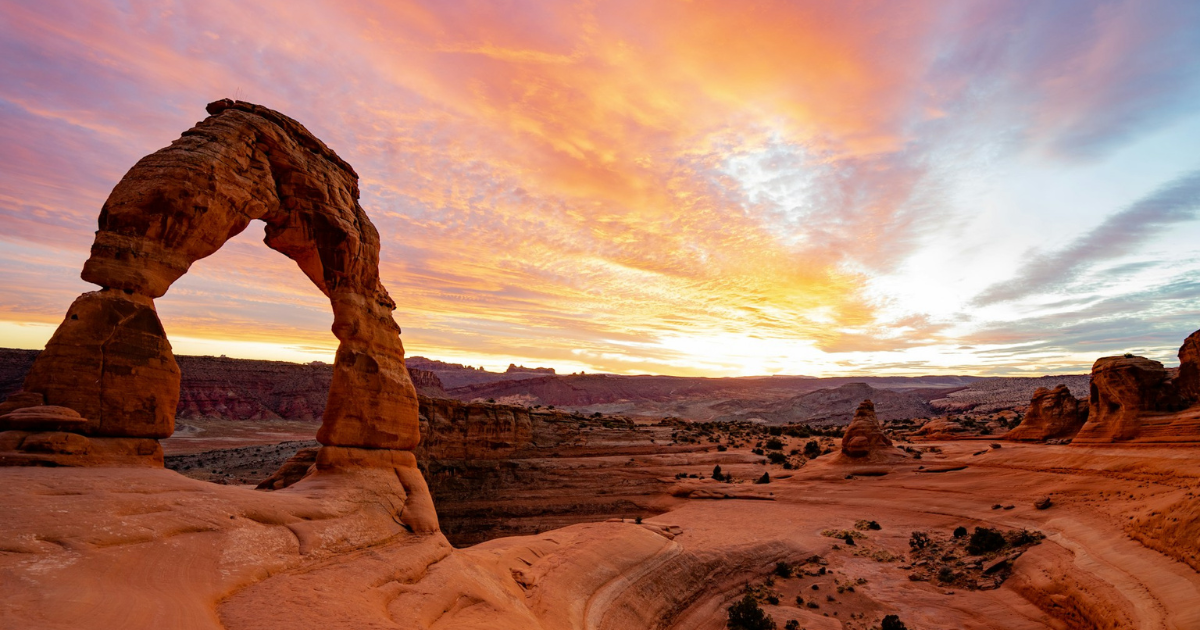
Moab is a town of about 5,000 people surrounded by some of the most improbable landscape on the planet. Two national parks sit within forty minutes of its single main street. The Colorado River cuts through red canyon walls at the edge of town. Beyond that: slickrock domes, sandstone fins, arches balanced on impossibly thin stone, and a night sky dark enough to feel like a different planet.
This guide covers the top 10 things to do in Moab plus what the lists usually leave out when to visit and when absolutely not to, what a trip costs, how park entry rules changed for 2026, and the desert safety information that genuinely matters.
Destination Overview: What Moab Actually Is
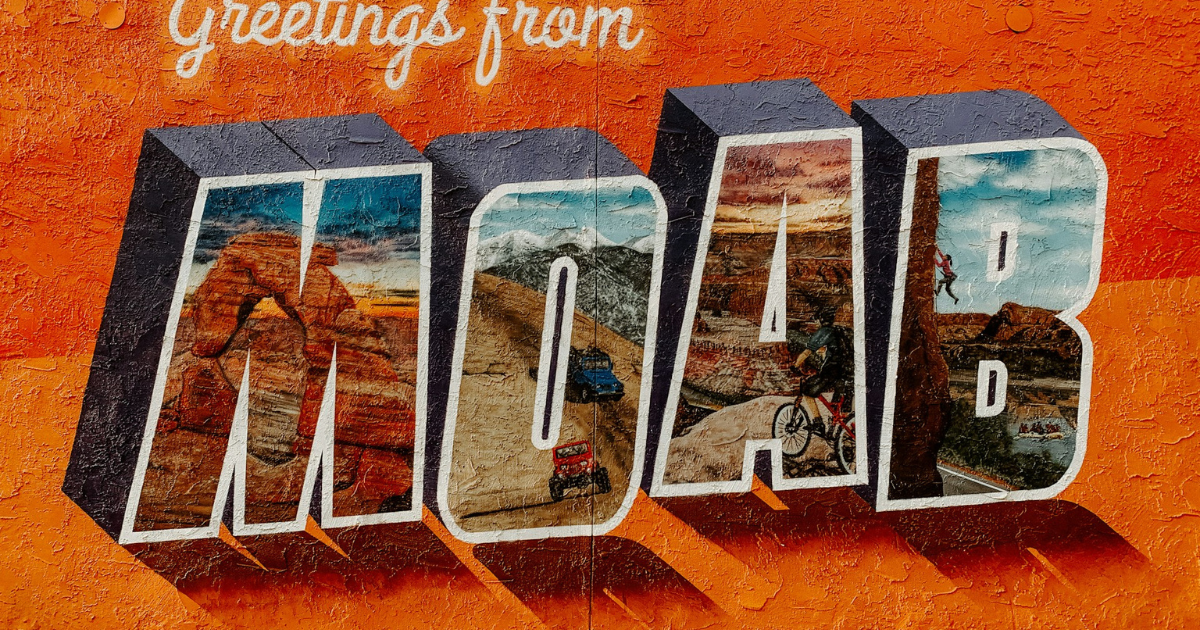
Moab sits in southeastern Utah at roughly 4,000 feet, hemmed in by the Colorado River and red rock on all sides. It began as a mining town and became, over the past forty years, one of the world’s great adventure basecamps.
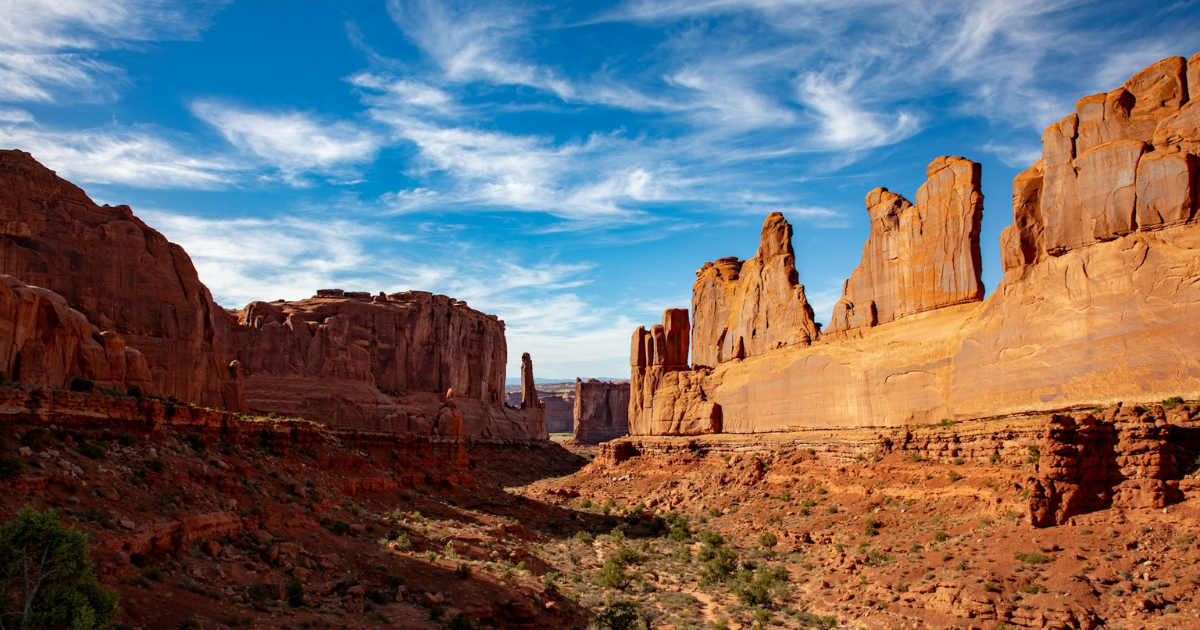
The town is small and functional motels, gear shops, tour operators, restaurants, one busy main street. Nobody comes for Moab. They come for what surrounds it:
|
Destination |
Distance from town |
What it is |
|
Arches National Park |
5 miles north |
Over 2,000 natural stone arches |
|
Canyonlands (Island in the Sky) |
~40 miles |
Vast mesa-top canyon overlooks |
|
Dead Horse Point State Park |
~35 miles |
The single best viewpoint in the region |
|
Sand Flats Recreation Area |
3 miles east |
Slickrock biking and 4×4 trails |
|
Colorado River corridor |
Edge of town |
Rafting, paddling, scenic driving |
|
La Sal Mountains |
~20 miles |
12,000-foot peaks, cool escape in summer |
Best Time to Visit Moab
Spring (March to May) and autumn (September to October) are by far the best times to visit Moab. Daytime temperatures sit in the comfortable 60s to 80s Fahrenheit (16–28°C), and the desert is genuinely pleasant to be outside in.
|
Season |
Weather |
Crowds & prices |
Verdict |
|
Spring (Mar–May) |
60–80°F, occasional wind |
Peak season, high rates |
Excellent, book early |
|
Summer (Jun–Aug) |
95–105°F+, intense sun |
Busy but miserable midday |
Avoid if you can |
|
Autumn (Sep–Oct) |
65–85°F, clear skies |
Peak season, high rates |
Best overall |
|
Winter (Nov–Feb) |
30–50°F, occasional snow |
Quietest, cheapest |
Underrated and beautiful |
Be honest about summer. Moab in July regularly exceeds 100°F with no shade anywhere, and people are hospitalised here every year for heat illness. If you must come then, hike before 9 a.m., rest indoors from 11 a.m. to 5 p.m., and treat afternoon activity as genuinely dangerous rather than merely uncomfortable.
One date to plan around: the Easter Jeep Safari brings thousands of off-roaders to town for nine days in spring. Accommodation sells out months ahead and prices spike.
Winter is the secret. Snow dusting red rock is spectacular, the parks are near-empty, and rates drop dramatically. Trails can be icy, but the trade-off is worth considering.
Top 10 Things to Do in Moab
1. Explore Arches National Park
The reason most people come. Over 2,000 catalogued arches sit within 119 square miles, along with balanced rocks, fins and towers. The scenic drive takes about 90 minutes without stopping, and you will stop constantly.
The key 2026 update: Arches no longer requires timed-entry reservations. The National Park Service lifted the requirement in February 2026, so you can enter any time during operating hours with a valid pass. Many older articles still tell you to book a slot they are out of date.
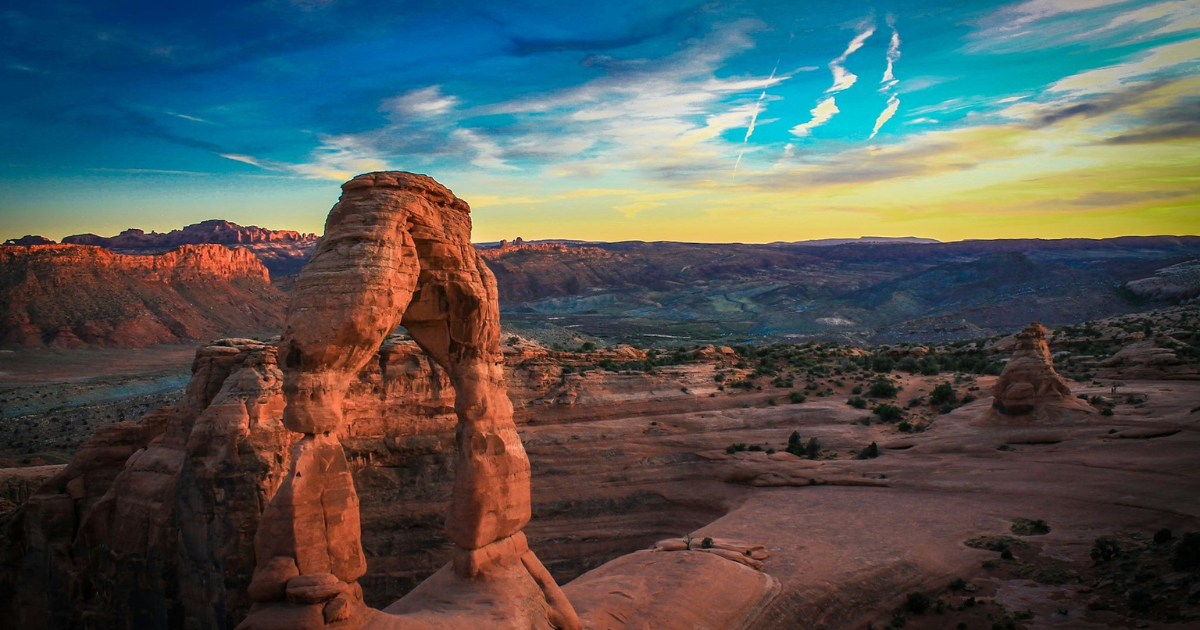
Access is still not unlimited. When car parks at Delicate Arch, the Windows or Devils Garden fill, rangers temporarily close those roads for three to five hours. Between May and October, arrive before 8 a.m. or after 4 p.m.
Must-see stops: Park Avenue, Balanced Rock, the Windows Section and Devils Garden. Entry is $30 per vehicle, valid seven days.
2. Hike to Delicate Arch
Utah’s most recognisable landmark, and worth the effort. The trail runs 3 miles round trip with about 480 feet of climbing, much of it across open slickrock with no shade and no railings.
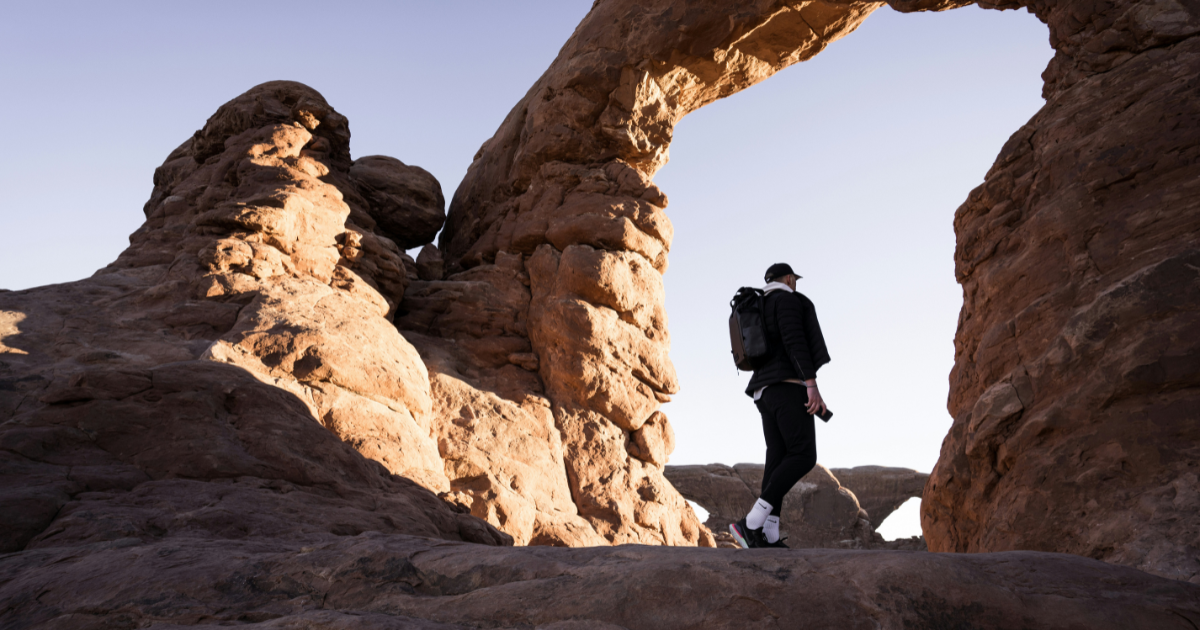
Timing is everything. Sunset is spectacular and extremely crowded; sunrise is nearly as beautiful and almost empty. Either way, carry a headtorch and more water than feels necessary. Not up for the hike? The lower viewpoint gives a distant view on a short flat path.
3. Watch sunrise at Mesa Arch, Canyonlands
Canyonlands is Utah’s largest national park, split into districts by the Colorado and Green rivers. Island in the Sky is the accessible one a high mesa with overlooks dropping 2,000 feet into canyon country.
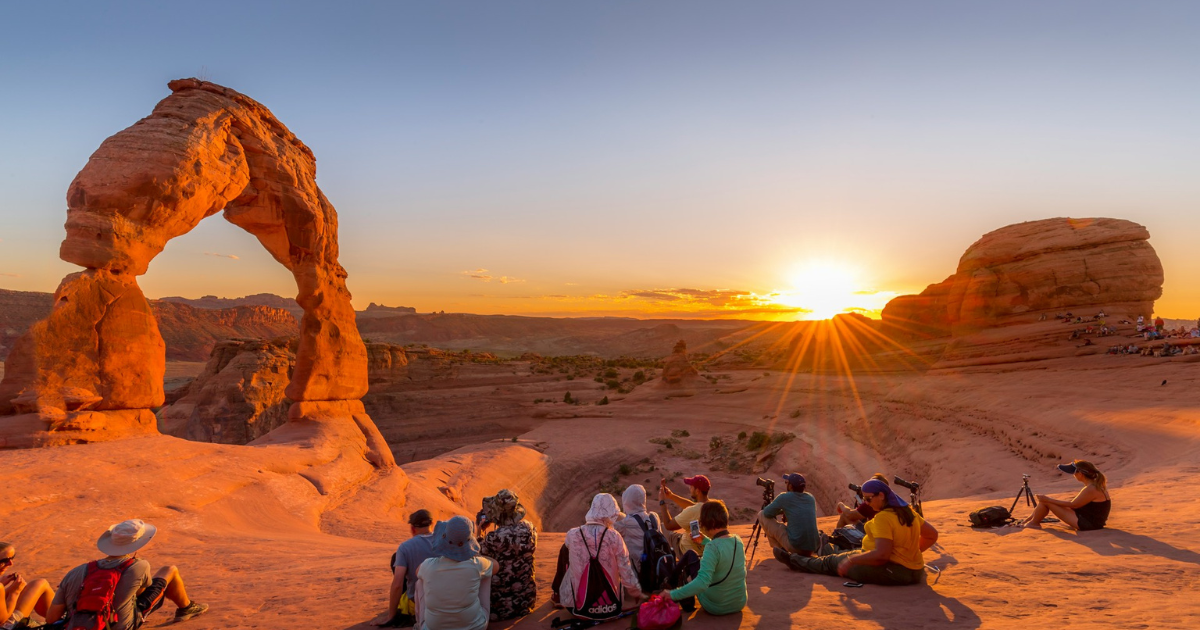
Mesa Arch at sunrise is the region’s signature photograph: the arch glowing orange from below with the La Sal Mountains framed inside it. The walk is short and easy, but arrive 45 minutes early photographers claim positions well before dawn.
Also stop at Grand View Point. Island in the Sky works as a half-day, and there are no services inside, so bring water, fuel and food.
4. Catch sunset at Dead Horse Point State Park
Arguably the best single viewpoint in Utah. From 2,000 feet above the Colorado River you look down on a dramatic gooseneck bend and canyons running to the horizon.
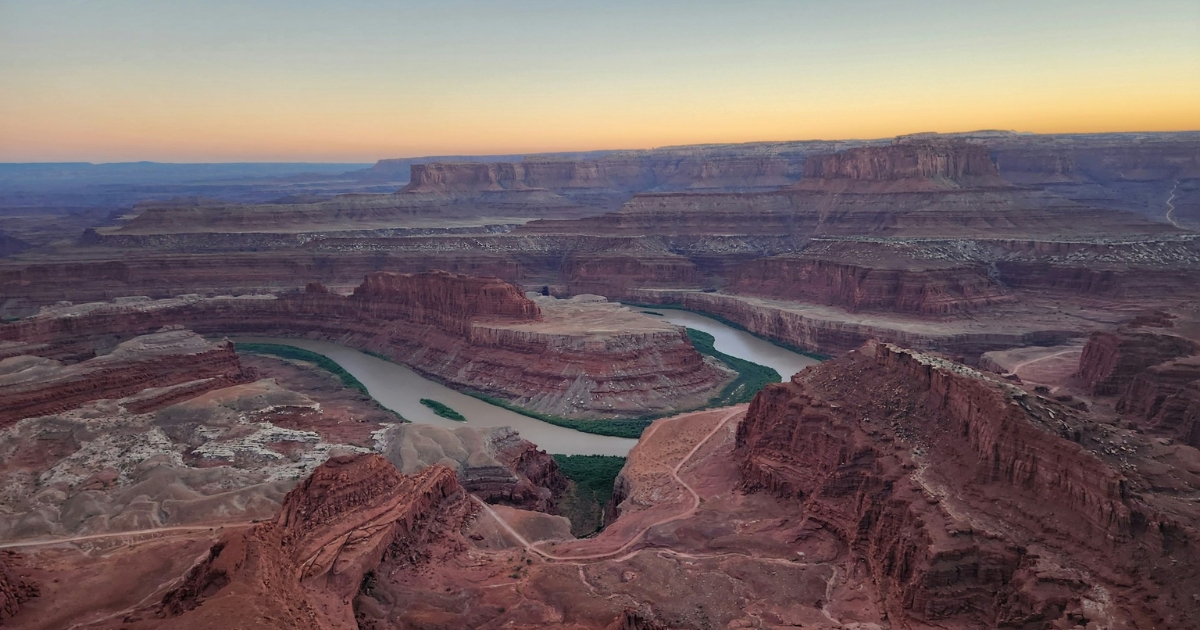
It sits on the road to Island in the Sky, so it combines easily into one day. Note it is a Utah state park with a separate fee your national park pass does not cover it. Come for sunset, stay for the stars.
5. Raft the Colorado River
The river that carved all of this is right there, and getting on it changes your sense of scale.
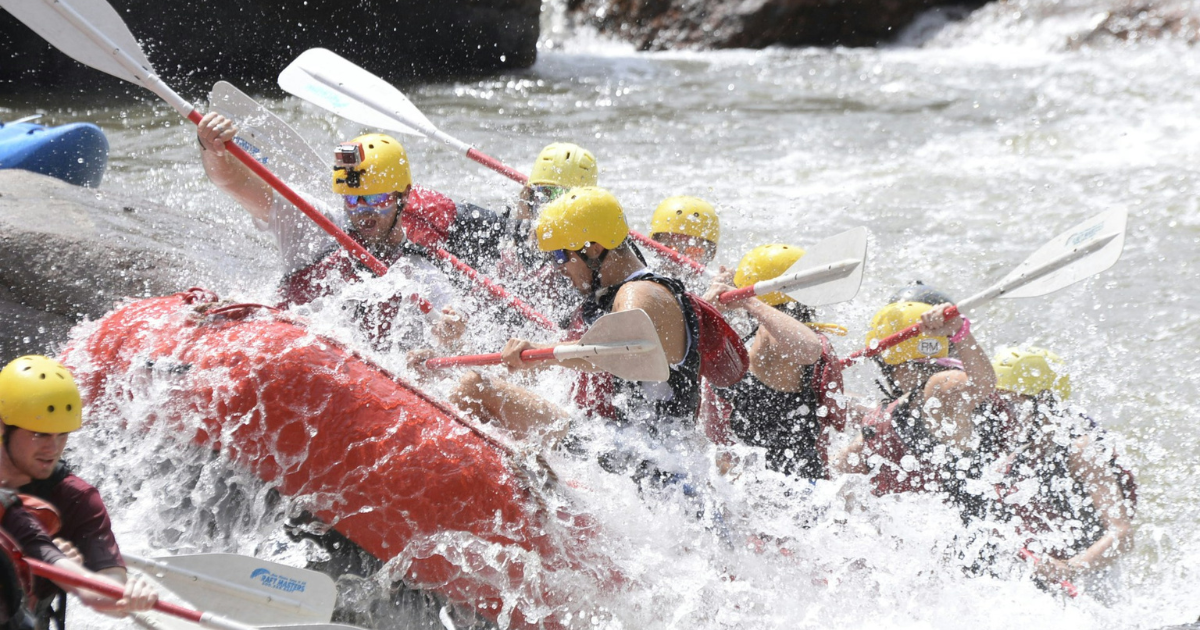
- Half-day scenic floats through Professor Valley suit families and non-swimmers calm water, huge canyon walls, roughly $70–95 per person.
- Full-day whitewater through Westwater Canyon offers serious rapids.
- Stand-up paddleboarding on calm stretches is a peaceful alternative.
Spring runoff means bigger water; late summer means gentler floats.
6. Take a 4×4 or Jeep tour
Moab is one of the world’s premier off-road destinations, and Hell’s Revenge on the slickrock above town is the famous route steep fins, exposed ledges and drop-offs that look impossible until your vehicle simply drives up them.
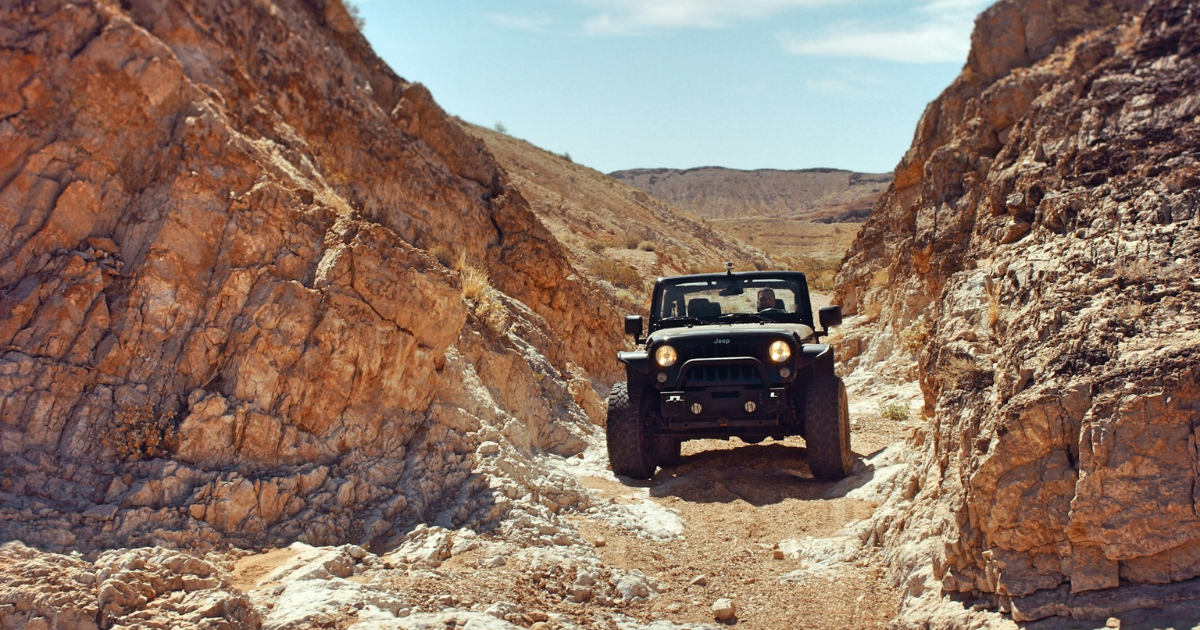
Two ways to do it: guided tours where a professional drives (roughly $95–150 per person, and the right choice for most people), or self-drive UTV rentals if you have experience. This is not the place to teach yourself off-road driving.
7. Mountain bike the slickrock
The Slickrock Bike Trail in Sand Flats Recreation Area is legendary and legendarily difficult a 10-mile loop across bare sandstone demanding real technical skill.
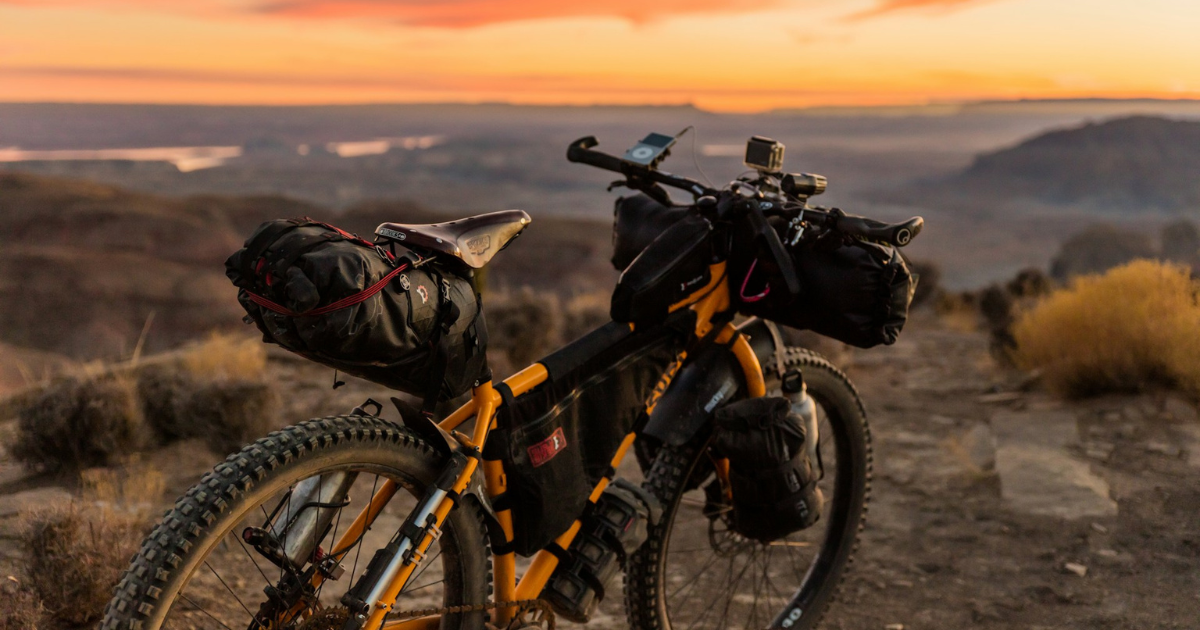
For everyone else: the Moab Brand Trails north of town run from beginner to expert, and the paved Moab Canyon Pathway is scenic with no technical demand at all. Rental shops give honest advice on which suits you.
8. Stargaze under a dark sky
Both Arches and Canyonlands are International Dark Sky Parks, and Arches actively encourages after-hours visits now that timed entry has ended. On a moonless night the Milky Way is visible to the naked eye with startling clarity.
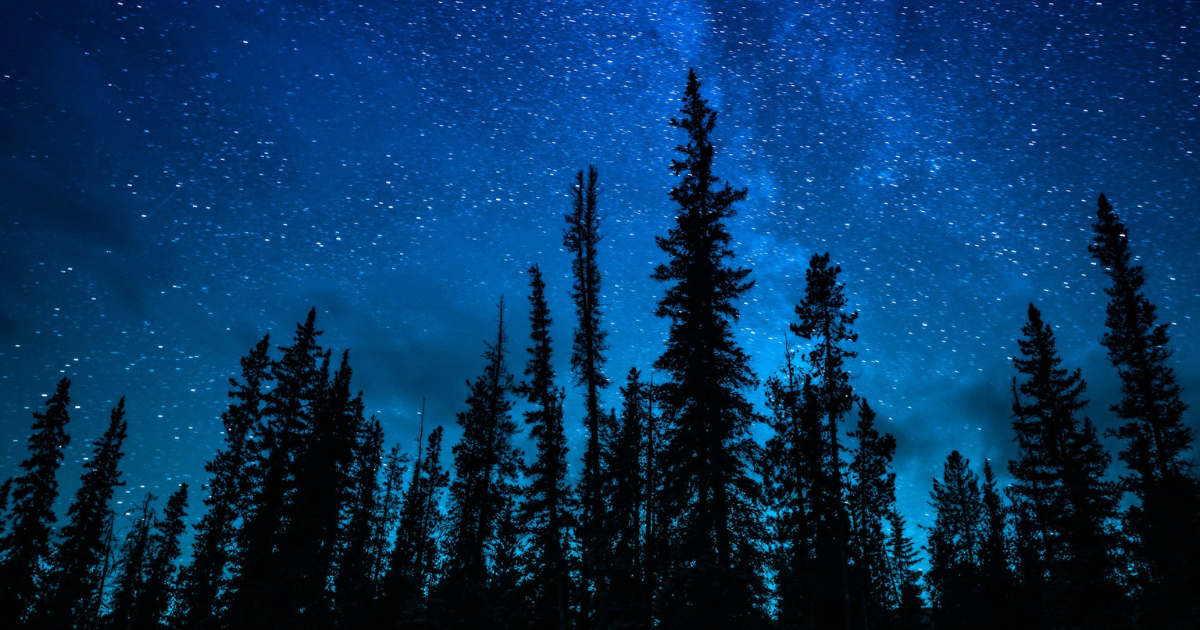
How to do it well: aim for a new moon and bring a red-light torch to preserve night vision. Dead Horse Point, Grandstaff Canyon and Castle Valley are all excellent, and guided astronomy tours provide a telescope and someone to explain what you are seeing.
9. Hike Corona Arch and Grandstaff Canyon
Two outstanding hikes outside the national parks, which means no entry fee and far fewer people.
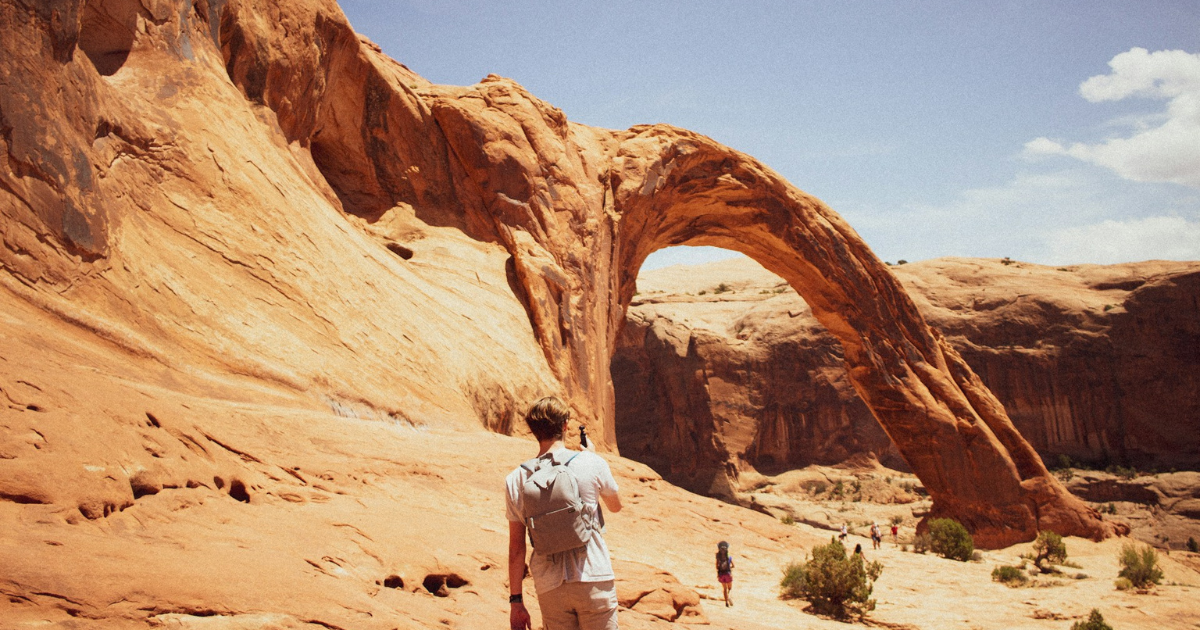
- Corona Arch: about 3 miles round trip to an enormous freestanding arch, with a short ladder and cable section that is easier than it sounds.
- Grandstaff Canyon: roughly 5 miles round trip along a shaded creek to Morning Glory Natural Bridge, one of the longest natural spans in the country. The shade makes this the best warm-weather hike in the area.
10. Drive Highway 128 and the La Sal Loop
Highway 128 follows the Colorado River northeast out of town through a red-walled canyon, opening into Castle Valley beneath towering spires. One of the most beautiful drives in the United States, and it costs nothing.
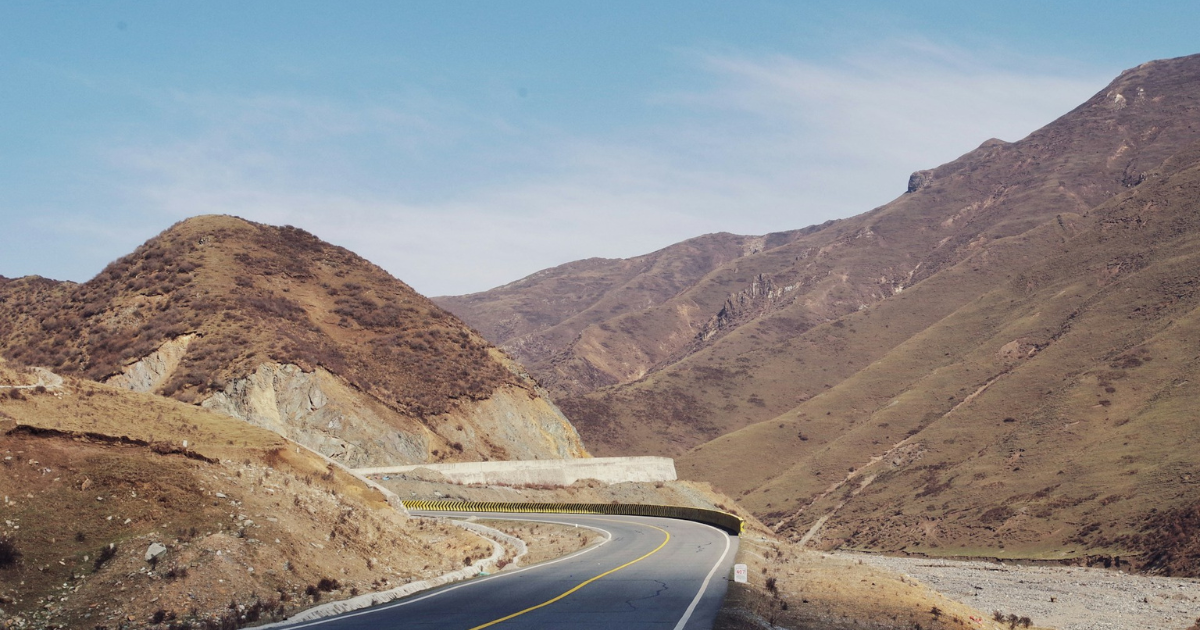
For a longer loop, the La Sal Mountain Loop Road climbs from desert into alpine forest with a genuine 20–30°F temperature drop the best escape from summer heat in the region.
Worth adding if you have more time: the Fiery Furnace in Arches (permit or ranger-led tour required, booked through Recreation.gov), the Needles district of Canyonlands, dinosaur tracks and petroglyph panels along Potash Road, and a jet boat trip on the Colorado.
Food and Local Culture
Moab is a small desert town, and its food scene reflects that: good rather than extraordinary, casual, and built around feeding hungry people who have been outside all day.
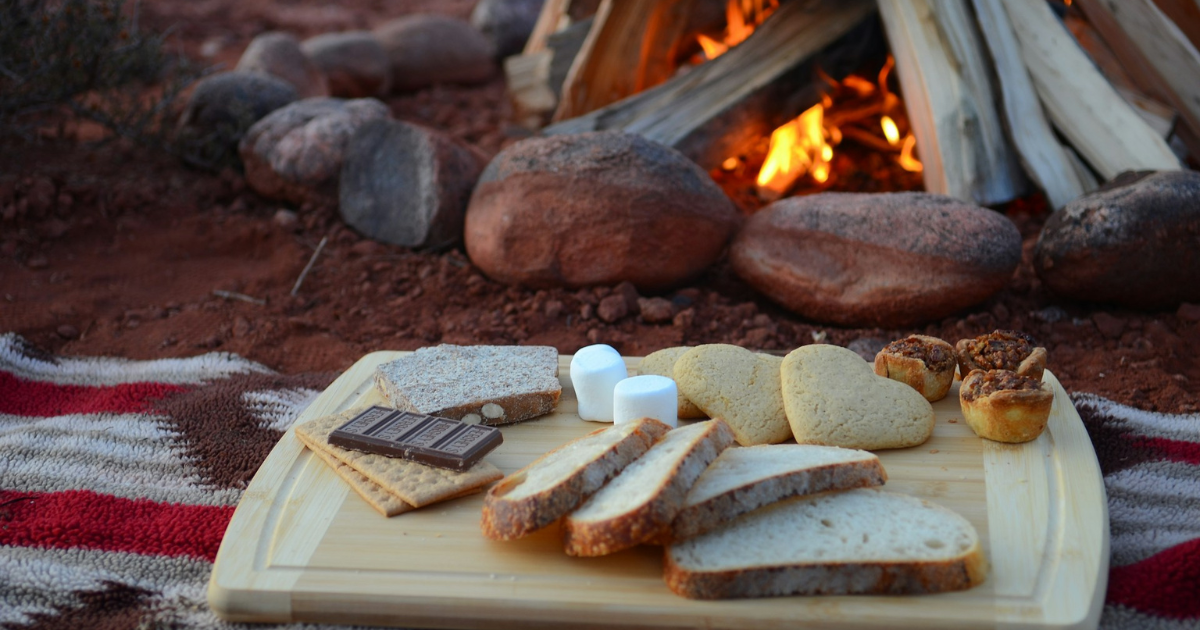
What to expect:
- Southwestern and Mexican food is the staple and generally the best value.
- Breweries and brewpubs anchor evening life; Utah’s alcohol laws mean many operate as restaurants.
- Bakeries open early to feed people heading into the parks at dawn.
- Book dinner ahead in spring and autumn restaurants are limited and 45-minute queues are normal.
- Pack your own park lunches. There is no food inside Arches or Canyonlands.
Cultural notes for international visitors:
- Tipping is expected. Plan 18–20% in restaurants and 15–20% for guides.
- Utah’s alcohol laws are unusual. Grocery-store beer is lower in alcohol, spirits come from state-run liquor stores, and restaurants have specific service rules. Nothing prevents you drinking it is just different.
- Leave No Trace is taken seriously. Pack out everything, stay on marked trails, never carve or stack rocks.
- Do not step on the crust. The black, lumpy soil between plants is living cryptobiotic soil that takes decades to regenerate. Locals say “don’t bust the crust” stay on trails or bare rock.
- The community is a mix of long-time residents, seasonal guides and outdoor obsessives: friendly, practical, unpretentious.
Transportation and Getting Around
You need a car. There is no realistic alternative. Moab has no public transport network, and everything worth seeing is spread across a wide area.
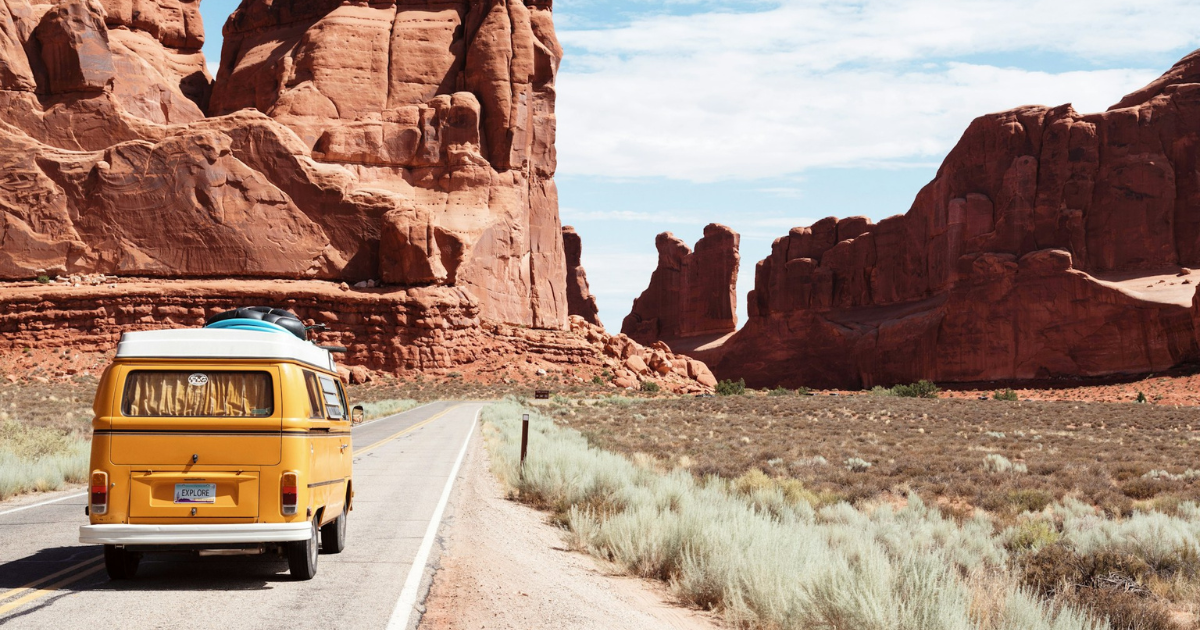
Getting there
|
Route |
Detail |
Approximate time |
|
Canyonlands Field (CNY) |
Tiny regional airport 18 miles north |
20 min to town |
|
Grand Junction, Colorado (GJT) |
Nearest practical airport, car hire available |
~1.75 hours |
|
Salt Lake City (SLC) |
Major international hub, best flight options |
~3.5–4 hours |
|
Las Vegas (LAS) |
Common road-trip start point |
~6.5 hours |
|
Denver (DEN) |
Large hub, scenic drive |
~5.5 hours |
Most international visitors fly into Salt Lake City or Las Vegas, hire a car, and treat Moab as part of a wider Utah road trip.
Getting around
- Rental car essential. A standard car reaches every location in this guide; 4×4 is only needed for backcountry routes, and guided tours supply the vehicle.
- Rideshare exists but is thin and unreliable for early starts.
- Cycling works in town and on the paved Canyon Pathway.
- Fuel up in town. No petrol stations inside either park, and distances are longer than they look.
- Parking is the real constraint. Arrive early at popular trailheads or expect to be turned away.
Where to Stay in Moab
|
Style |
Best for |
Rough nightly cost |
|
Downtown hotels |
Walking to restaurants |
$180–350 |
|
Mid-range motels |
Value, easy parking |
$110–200 |
|
Resorts and glamping |
Comfort with desert views |
$300–600 |
|
Devils Garden Campground |
Camping inside Arches (51 sites) |
$25–35 |
|
Sand Flats / Ken’s Lake campgrounds |
Budget camping near town |
$20–30 |
|
Dispersed BLM camping |
Backpackers, self-sufficient travel |
Free–$15 |
Booking advice: Moab accommodation is expensive for the town’s size, because demand vastly exceeds supply in spring and autumn book three to six months ahead. Devils Garden Campground is the only campground inside Arches, requires reservations from March through October, and books out almost immediately. If Moab is full, Green River (50 miles northwest) and Monticello (50 miles south) offer cheaper rooms.
Budget and Travel Costs
Figures are in US dollars and shift with season. Treat them as planning estimates.

Daily budget per person
|
Category |
Budget |
Mid-range |
Luxury |
|
Accommodation |
$15–40 (camping) |
$100–180 |
$300+ |
|
Food |
$25–40 |
$55–85 |
$150+ |
|
Activities |
$0–20 |
$60–120 |
$250+ |
|
Car and fuel |
$40–60 |
$55–85 |
$120+ |
|
Daily total |
$80–160 |
$270–470 |
$820+ |
What things cost
- Arches National Park: $30 per vehicle, valid 7 days
- Canyonlands National Park: $30 per vehicle, valid 7 days
- Dead Horse Point State Park: separate Utah state park fee
- America the Beautiful annual pass: $80 covers all US national parks and pays for itself if you visit three or more
- Half-day scenic raft: $70–95
- Guided 4×4 tour: $95–150
- Mountain bike rental: $50–90 per day
- Casual meal: $15–25; sit-down dinner: $30–55
Free things to do in Moab: Highway 128 and the La Sal Loop drive, Corona Arch, Grandstaff Canyon, Potash Road petroglyphs, stargazing, and sunset from almost any viewpoint outside the parks.
Currency note: cards work everywhere and Utah sales tax is added at the till. Carry a little cash for campground fee envelopes at first-come sites.
Safety Tips for Visiting Moab
Desert safety here is not optional advice. Rescues happen weekly in peak season, and almost all are preventable.
- Water is the whole game. Carry at least one gallon (about 4 litres) per person per day in warm weather, more if hiking. There is no water on most trails.
- Heat kills. Nausea, dizziness or suddenly not sweating means stop immediately and get to shade.
- There is no shade anywhere. A wide-brimmed hat, sunscreen and long sleeves beat everything else.
- Flash floods arrive from storms miles away. Never enter a slot canyon or wash if rain is forecast upstream.
- Slickrock is deceptive excellent grip when dry, lethal when wet or sandy, and drop-offs are unfenced.
- Mobile signal disappears quickly outside town. Download offline maps and share your route.
- Do not trust GPS for backcountry roads. Navigation apps routinely route people onto high-clearance 4×4 tracks.
- The emergency number is 911, and travel insurance is essential American healthcare and helicopter rescue are extremely expensive without it.
Travel Tips for International Visitors
Entry requirements. Most UK, EU, Australian, Japanese and other visa-waiver nationals need an approved ESTA before boarding. Apply on the official government site rather than a reseller. Other nationalities need a B-2 visitor visa, which can take months to schedule check your passport’s requirements early.

Connectivity. A US eSIM bought before departure is cheaper than buying on arrival. Town coverage is reasonable; park and backcountry coverage is essentially nonexistent.
Useful apps. Google Maps with Utah offline, AllTrails, the National Park Service app, Recreation.gov for permits and campsites, and a weather app with flash-flood alerts.
Driving. Americans drive on the right. Most foreign licences are valid for short visits, though carry an International Driving Permit if yours is not in English. Fill the tank when you can, not when you need to.
Packing: sun hat, high-SPF sunscreen, sunglasses, hiking shoes with good grip, a 2–3 litre water reservoir, layers for cold desert nights, a headtorch, and a US Type A/B 120V adapter. Nights are far colder than people expect.
Suggested 3-Day Moab Itinerary
Day 1: Arches. Enter before 8 a.m. Drive the scenic road with stops at Park Avenue, Balanced Rock and the Windows, then hike Devils Garden. Rest through the afternoon heat and return for Delicate Arch at sunset.
Day 2: Canyonlands and Dead Horse Point. Mesa Arch for sunrise, then Grand View Point and the Island in the Sky overlooks. Late lunch in town, then Dead Horse Point for sunset and stargazing.
Day 3: Adventure and river. A half-day raft or guided 4×4 tour in the morning, an afternoon hike at Corona Arch or Grandstaff Canyon, then Highway 128 into Castle Valley at golden hour.
Five days? Add the Needles district, a Fiery Furnace ranger tour booked in advance, a full day biking, and the La Sal Mountain Loop.
Frequently Asked Questions

What are the top things to do in Moab?
Arches National Park, the Delicate Arch hike, Mesa Arch at sunrise in Canyonlands, sunset at Dead Horse Point, rafting the Colorado River, a 4×4 tour on Hell’s Revenge, mountain biking the slickrock, stargazing, hiking Corona Arch, and driving Highway 128.
Do you need reservations for Arches National Park in 2026?
No. The National Park Service lifted the timed-entry reservation requirement in February 2026. You can enter at any time during operating hours with a valid entrance pass, though car parks at popular trailheads still fill and can close temporarily.
How many days do you need in Moab?
Three days covers both national parks, Dead Horse Point and one adventure activity. Two works if you focus on Arches and Island in the Sky. Five allows the Needles, biking and a slower pace.
What is the best time to visit Moab?
Spring and autumn. Summer regularly exceeds 100°F and is genuinely dangerous for midday hiking. Winter is cold, quiet and much cheaper.
Do you need a car in Moab?
Yes. There is no public transport and the parks are spread over a wide area. A standard rental car reaches everything in this guide.
Is Moab good for families?
Yes. The Windows section, Mesa Arch, Dead Horse Point, scenic rafting floats and the paved Canyon Pathway all work well with children.
How much does it cost to visit Moab?
Camping travellers can manage $80–160 per day; mid-range trips run $270–470 per person. Park entry is $30 per vehicle, or $80 for the annual pass covering all US national parks.
Can you see Arches and Canyonlands in one day?
Possible but rushed you would get the Arches scenic drive and the Island in the Sky overlooks without hiking either properly. Two days is far better.